World War 1 Company D, 342nd Machine Gun Battalion, 89th Division (1917-1919)
Grandfather’s 89th Division fought the brutal St. Mihiel and Meuse-Argonne offensives in France against the German Army. Braving heavy artillery and poison gas, and machine gun duels, Grandfather moved forward from trench to trench or to other protected positions. Their mission: to support infantryman crossing open terrain and barbed wire obstructions.
I inherited only one photo book from Grandfather Sanchez: small photos from the war on one page and photos from Tucson on the back. His war photos record men, women, villages and rivers upon arriving and leaving France as well as of occupied Germany after their surrender.
Grandfather Joaquin took dozens of photos. His notes are written in white on the photostaken from the new Vest Pocket Kodak pocket camera. The photos are pretty small, some with pretty good clarity, but not all.
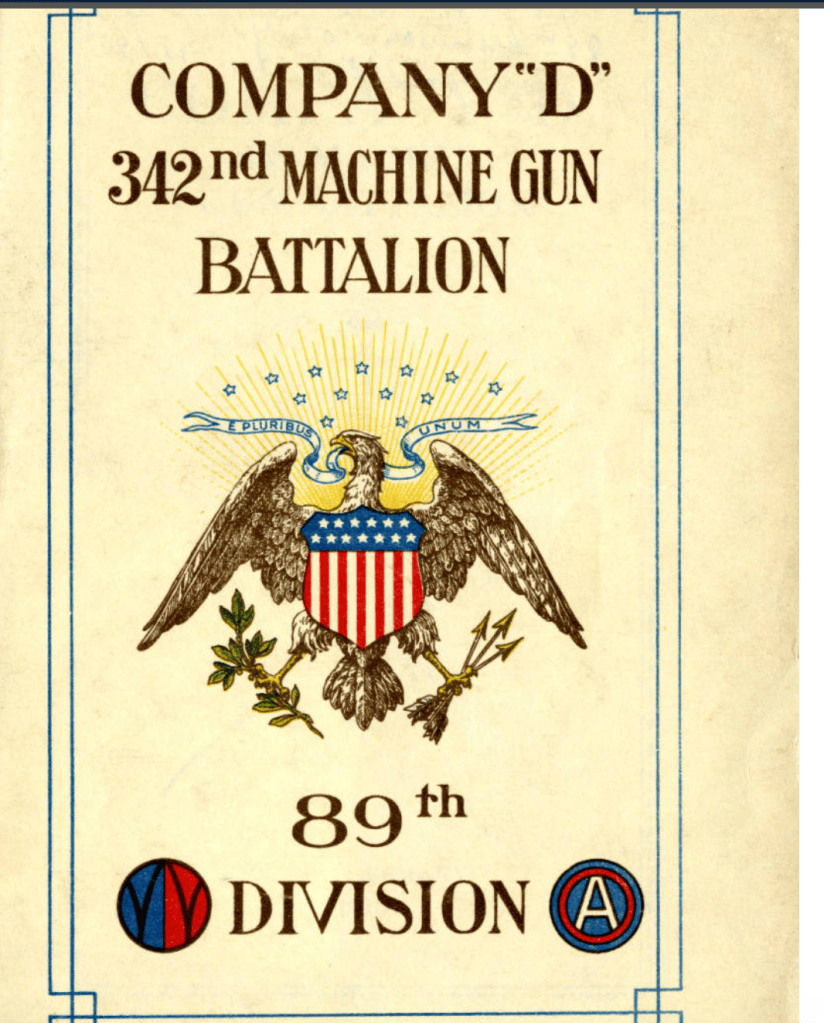
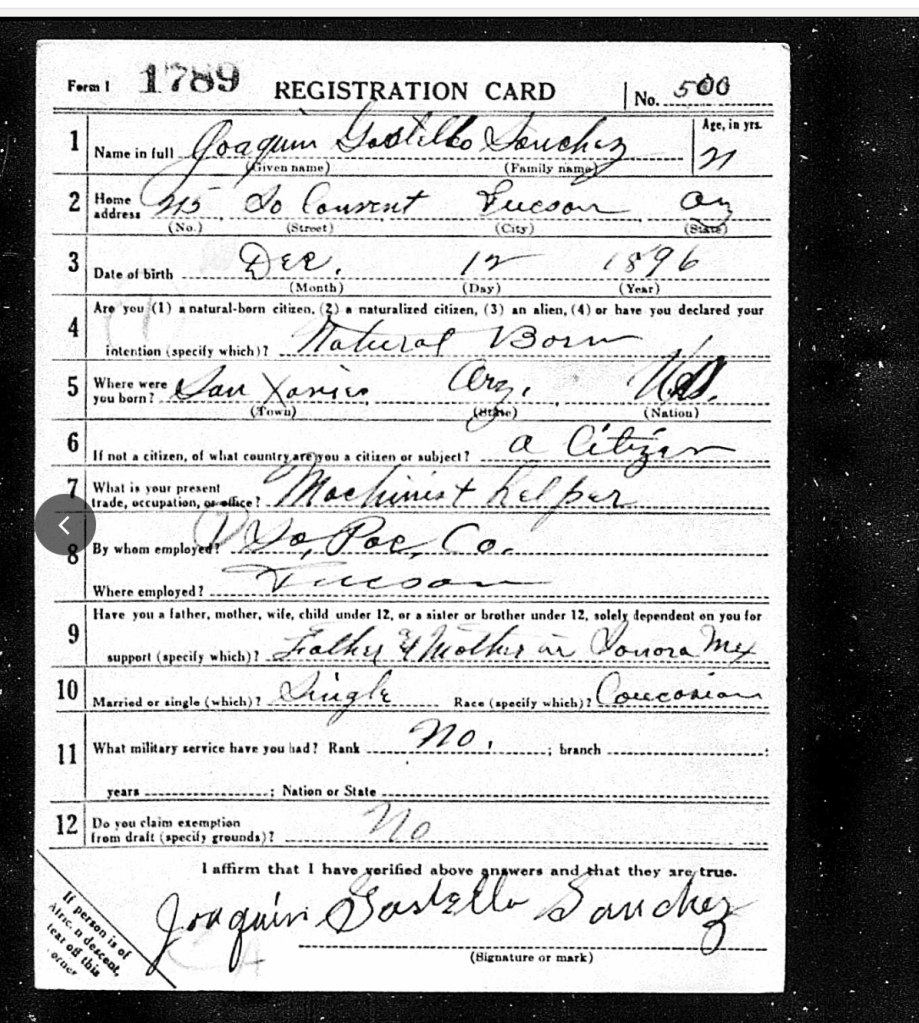
Grandfather Joaquin Sanchez of Tucson, Arizona, served as a Private in Company D of the 342nd Machine Gun Battalion, 89th Division, during World War I. In June 1918, he boarded a transport ship with his unit bound for France. Machine gunners had extremely dangerous work:
o advancing Hotchkiss or Browning guns
o suppressing enemy machine gun nests
o defending exposed positions and protecting advancing infantry
o moving ammunition under artillery fire
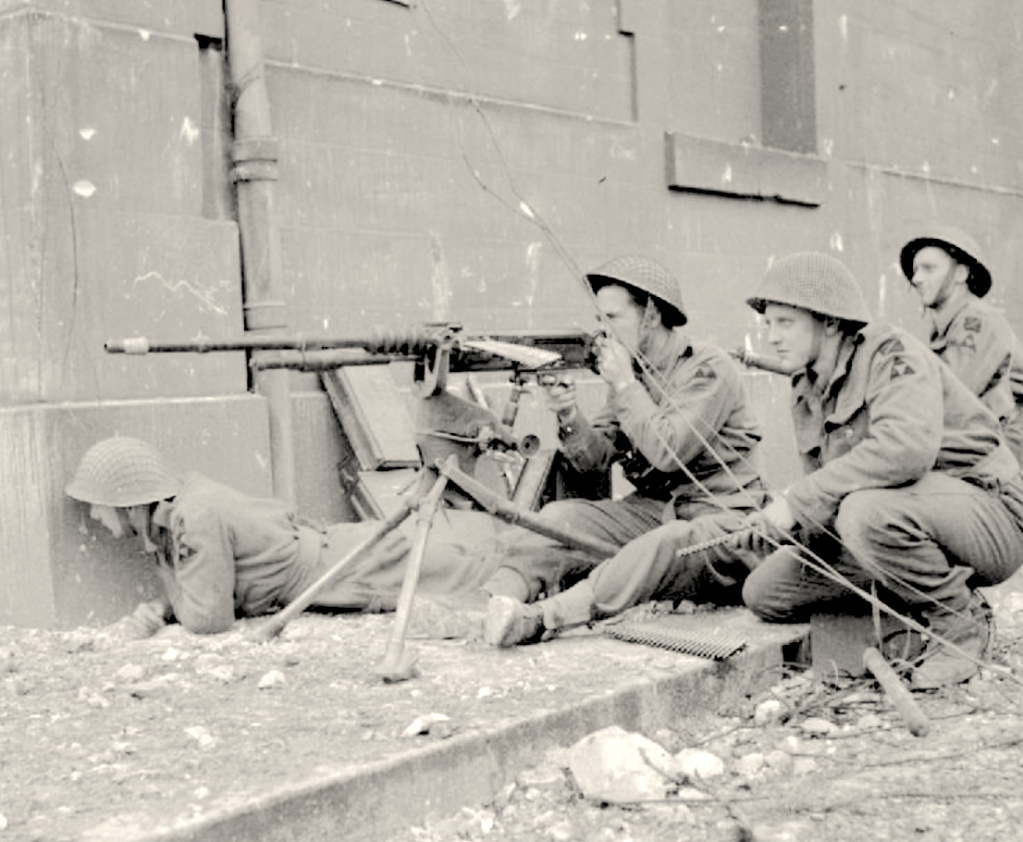
The 89th Division relied on French Hotchkiss 1914 machine guns for combat. US made machine guns were in short supply. This photo came from a military website. Pocket cameras were banned from front lines.
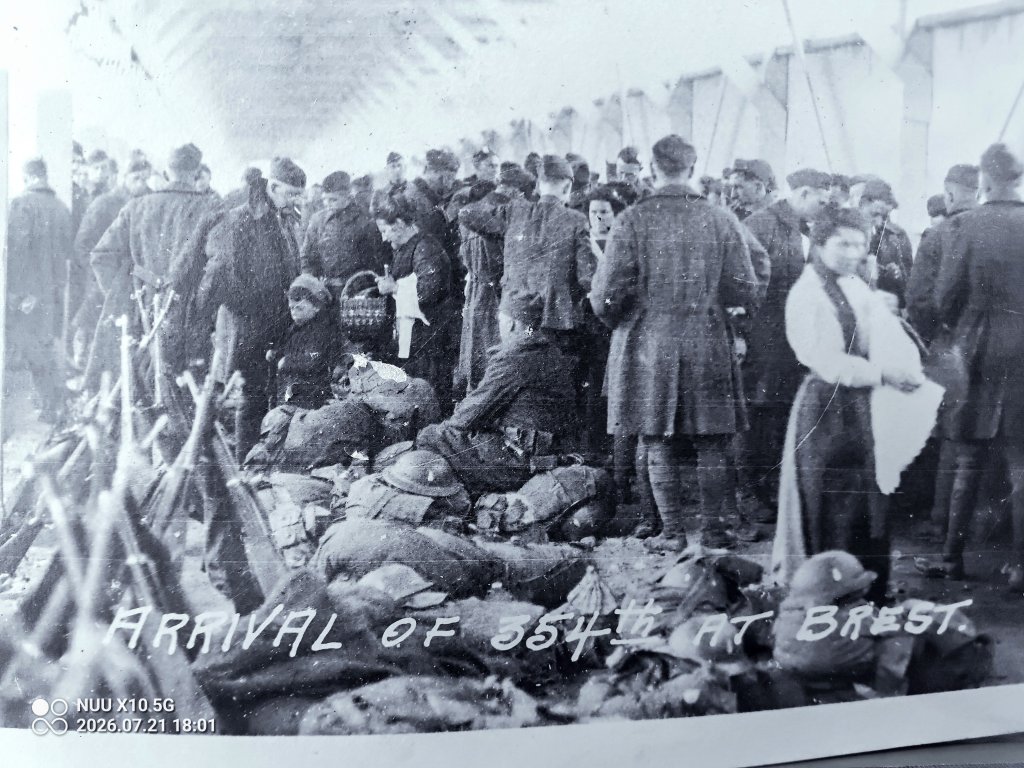
The American Expeditionary Forces (AEF) arrived and departed from Brest France, a city with a sheltered bay and a deep-water estuarine inlet. He writes of the arrival of the 354th at Brest. Roughly 248,000 Americans arrived to fight the first Battle of Saint-Mihiel. Draftees from Arizona provided much of the manpower for the 342nd Machine Gun Battalion. Arizona provided 10,500 young men to the U.S. armed forces during World War I.
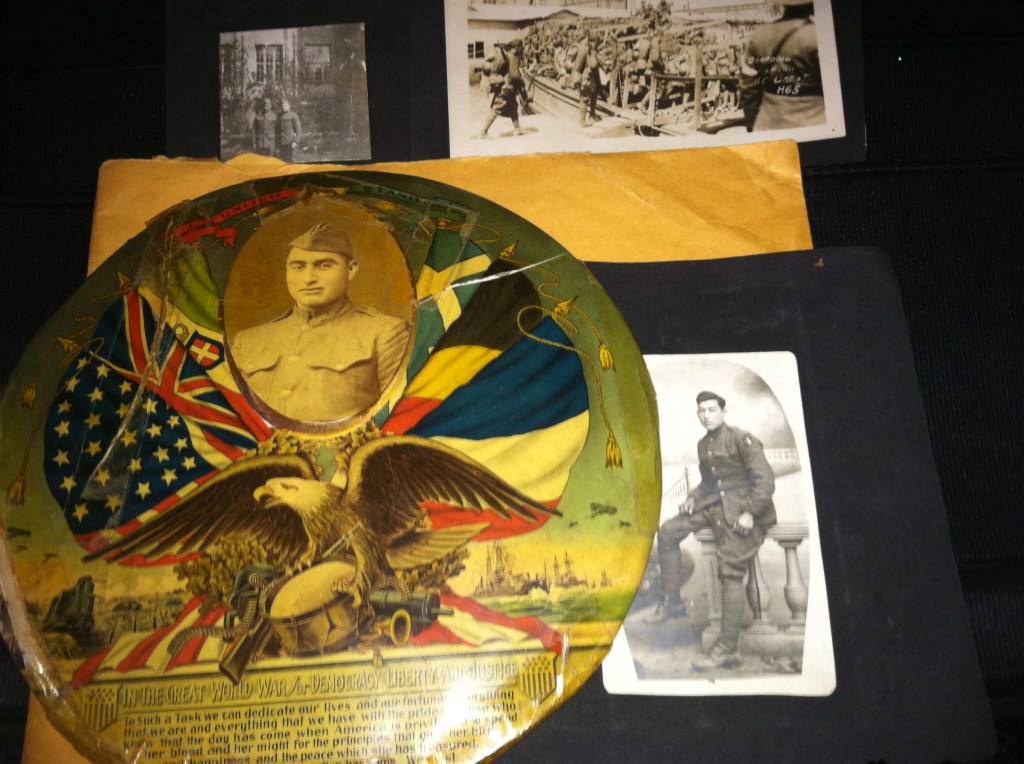
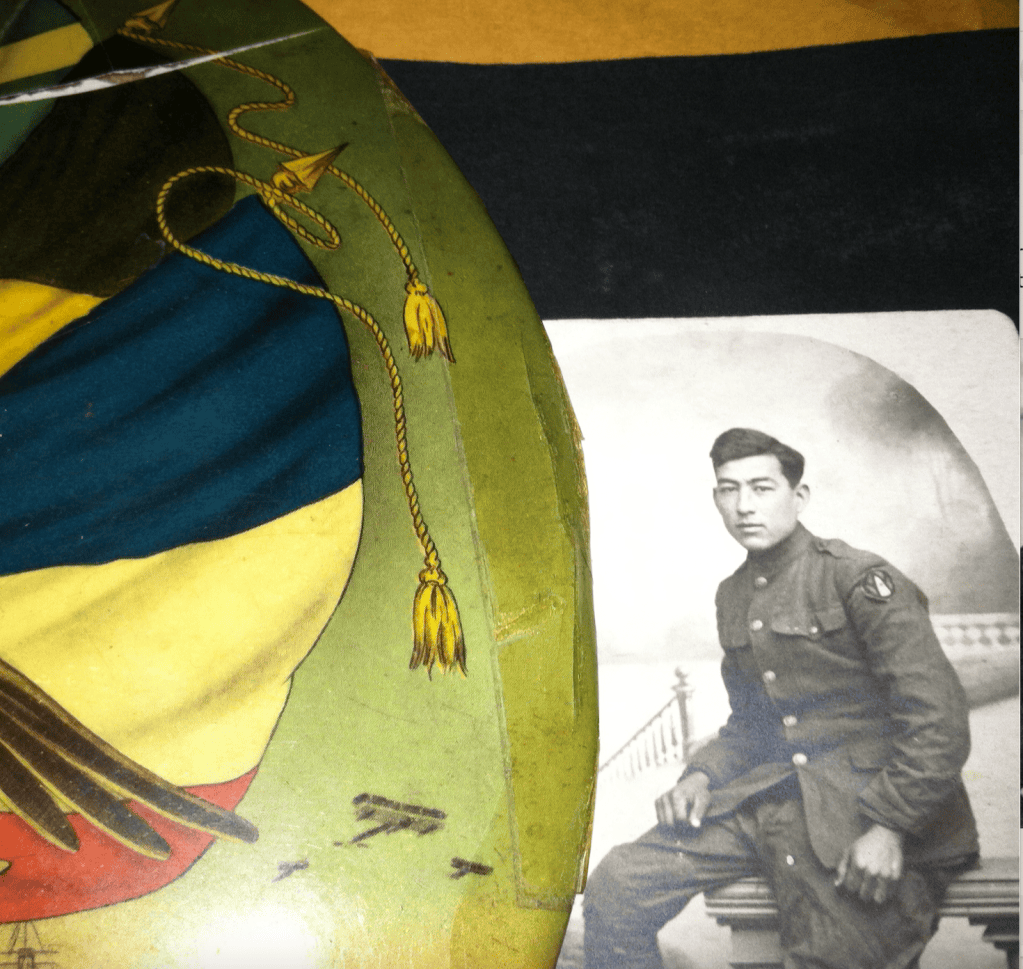
A photo of the WWI plaque titled “In The Great World War for Democracy, Liberty and Justice”. The photo of the soldier at the far right bottom is a friend from New Mexico in the infantry.
Olga Gutierrez, my half sister, has the original plaque. My parents told me he earned a medal for bravery. Who knows what happened to it.
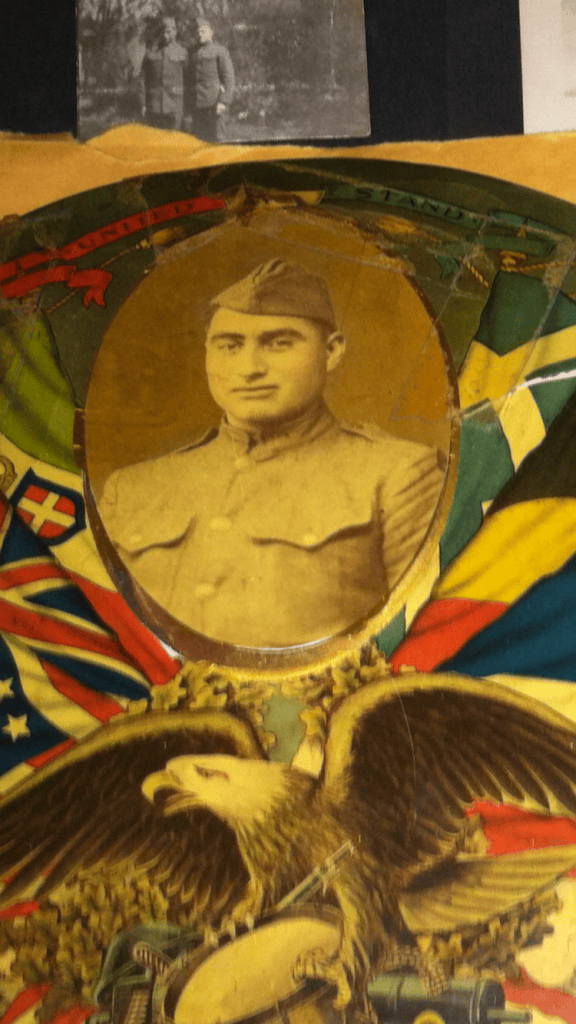
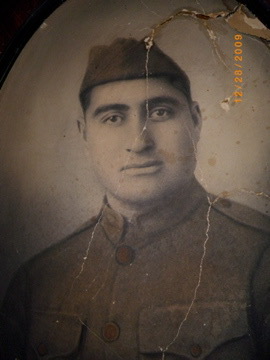
The Battle of Saint-Mihiel occurred inside the battlefront and was fought from 12 to 16 September 1918. The Germans had installed many in-depth series of trenches, wire obstacles, and machine-gun nests. An Allied force of roughly 248,000 Americans and 110,000 French troops attacked and led to a rapid retreat of German troops. The four-day war left 7,000 U.S. casualties and at least 17,500 German casualties.
Just days later, the Meuse-Argonne Offensive (Sept. 26 – Nov. 11, 1918) began. This battle was the largest and deadliest campaign in U.S. military history. The Germans had occupied and fortified this region since 1914, creating a dense network of concrete bunkers, barbed wire, and artillery nests. The terrain was rugged, hilly, and dense, making it incredibly difficult for inexperienced American infantry to navigate. Over 1.2 million American and French troops attacked deeply fortified German lines in northeastern France. The 47-day Allied victory severed vital German rail lines, ultimately forcing the Armistice that ended World War I
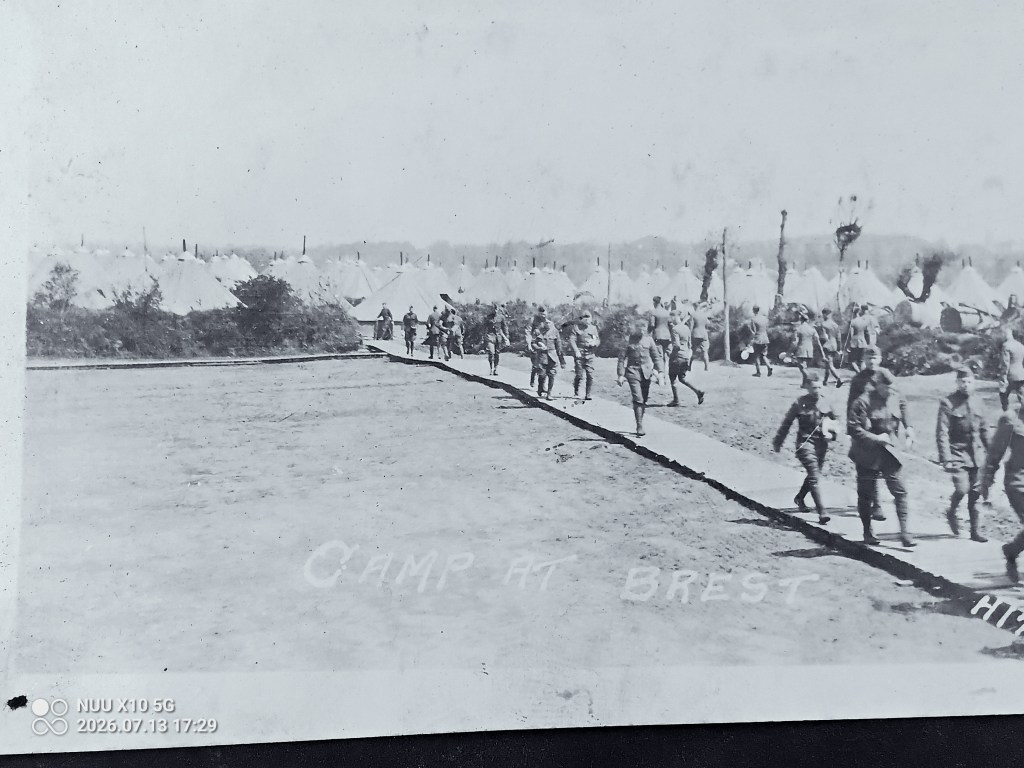
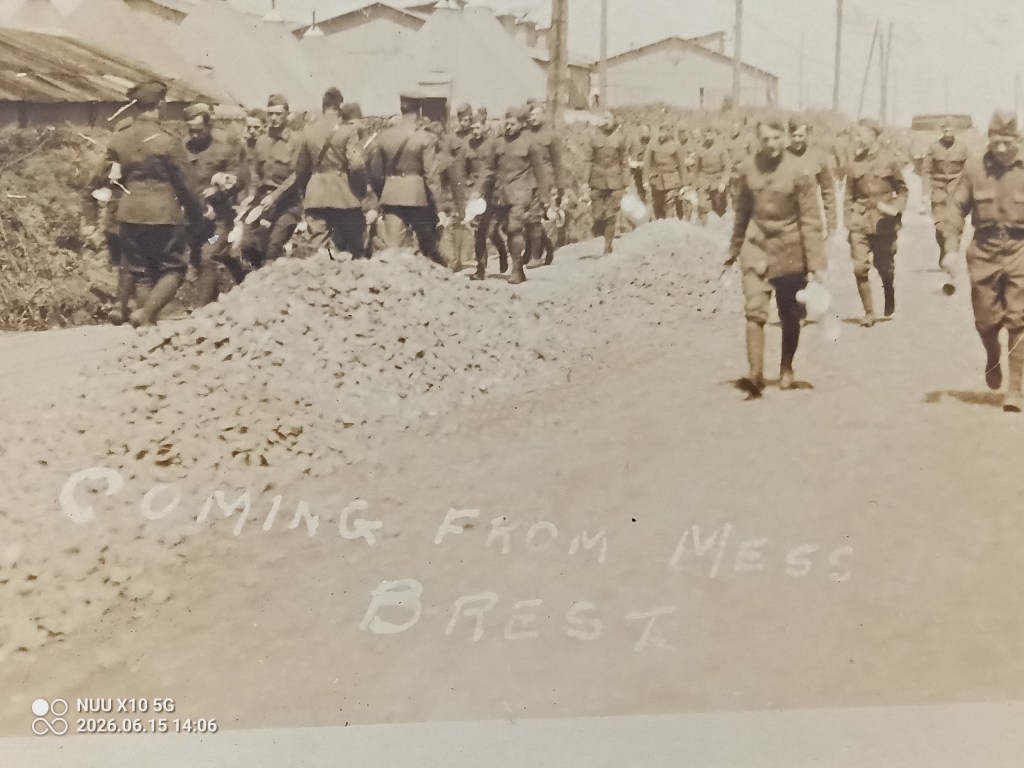
Click to enlarge. Photos in Brest where soldiers trained for the offensive operations against the Germans. In the photos below, you can barely see their tents shown in the left photo above.
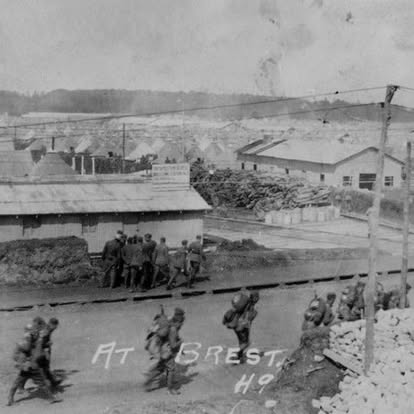
Grandfather Joaquin takes photos of soldiers leaving western France (Brest) to begin their 700 km journey to the front line near the French-German border south of Luxembourg. Operations at the front began in the Toul Sector, then on to the famous battles at St. Mihiel, and at Meuse-Argonne. They travelled by train and in trucks.
Tents in background
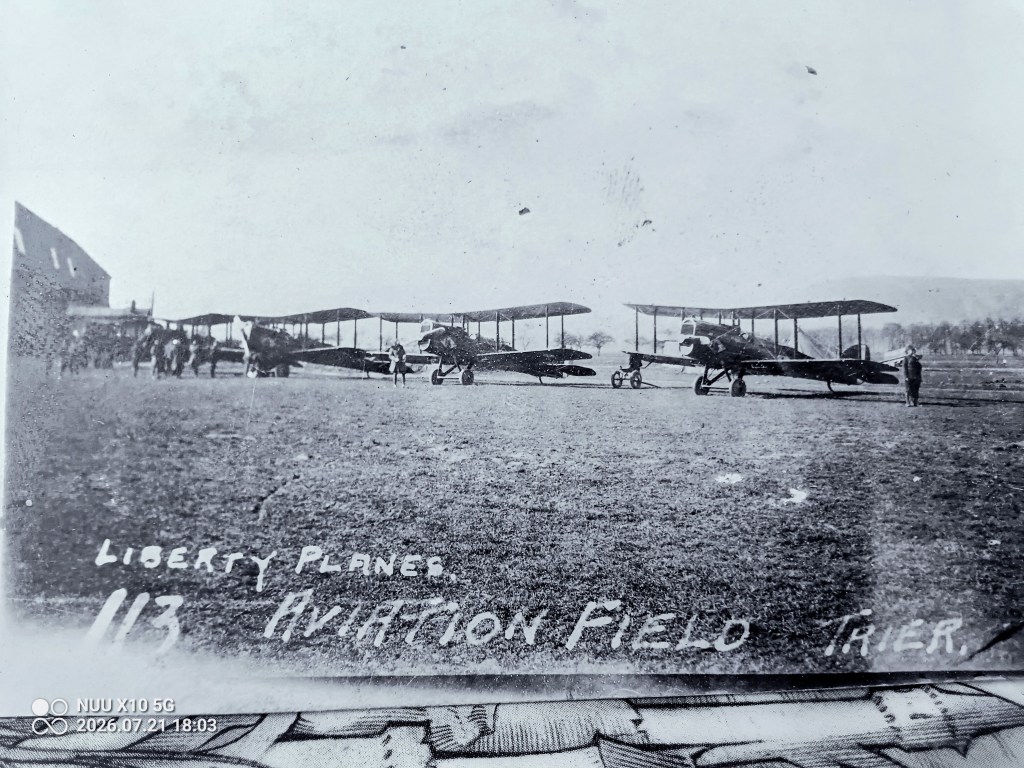
DH-4 “Liberty Planes” the only American-built combat airplane flown by American crews in World War I. Their nickname is from the powerful V-12 Liberty engines they used. Planes were new and still a novelty. My grandfather took this photo in occupied Germany in the city of Trier.
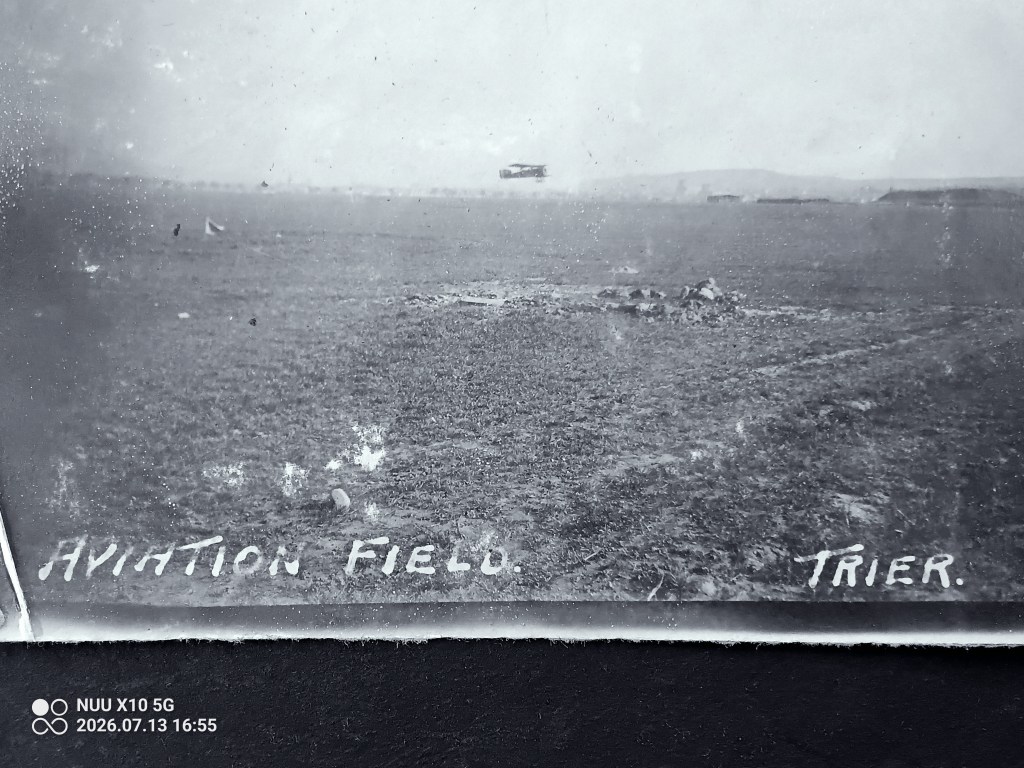
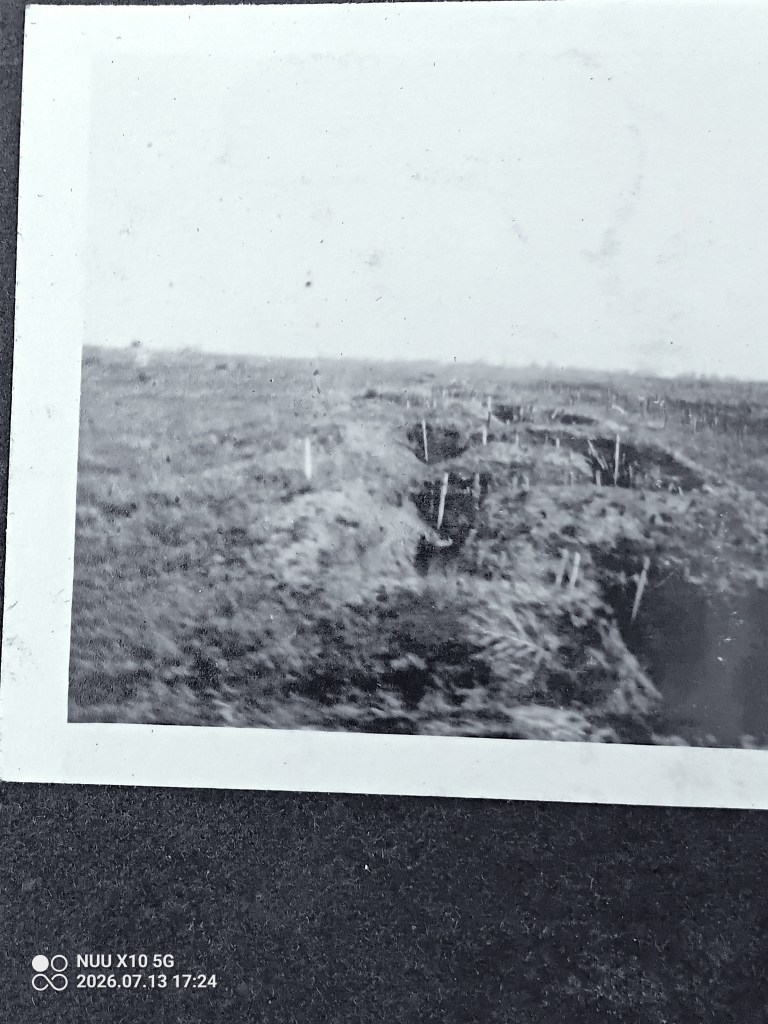
Click to enlarge. Grandfather Sanchez took a photo of a Liberty Plane in flight in occupied Germany. The Aviation field was a captured German airbase in Trier Germany. In the second photo, he took to a picture of a German trench used to defend the airbase.
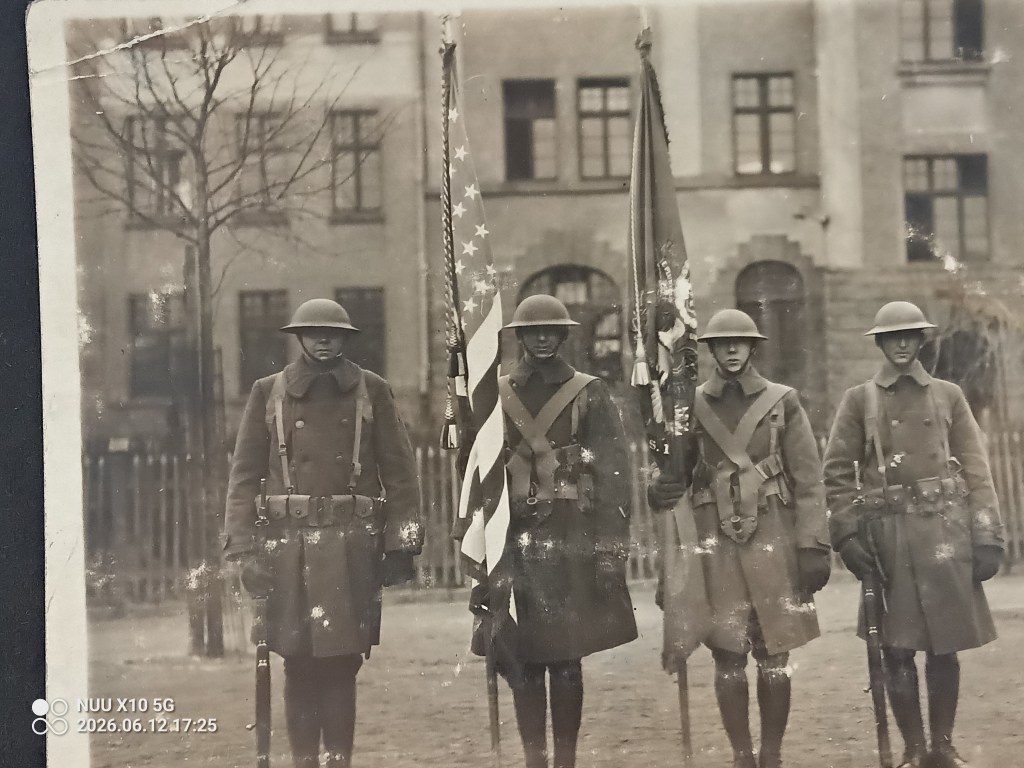
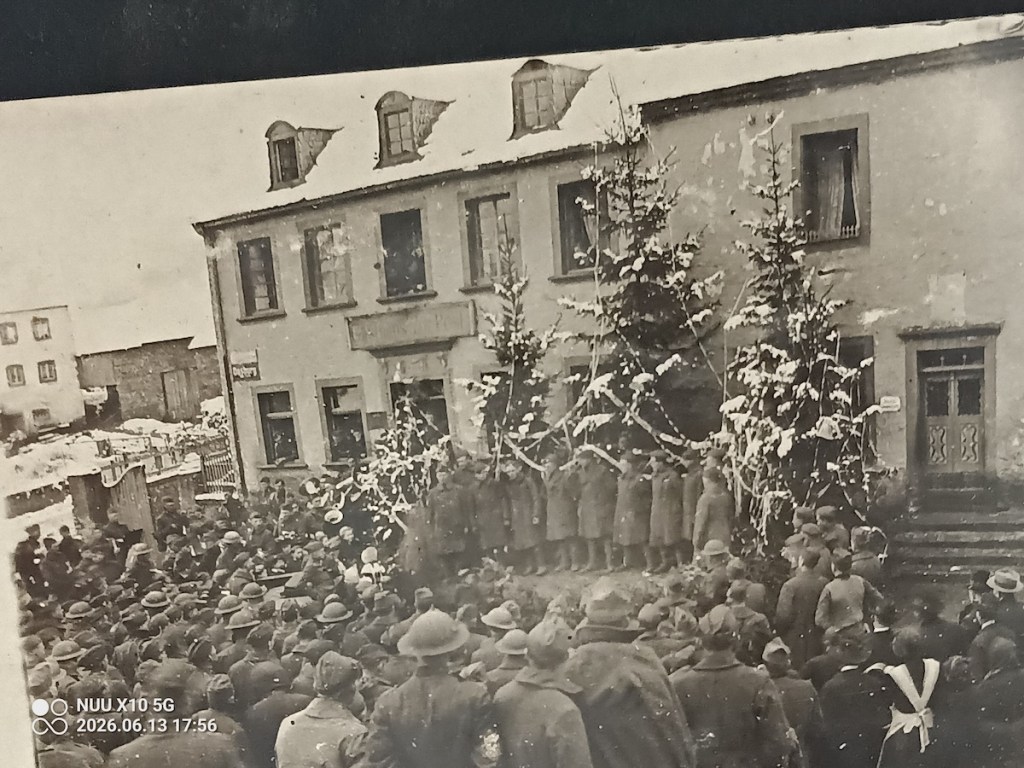
Click to enlarge. These photos aren’t labeled but the second photo gives a hint. With snow covering everything it’s likely these photos were taken after the Allied victory, perhaps December 1918.
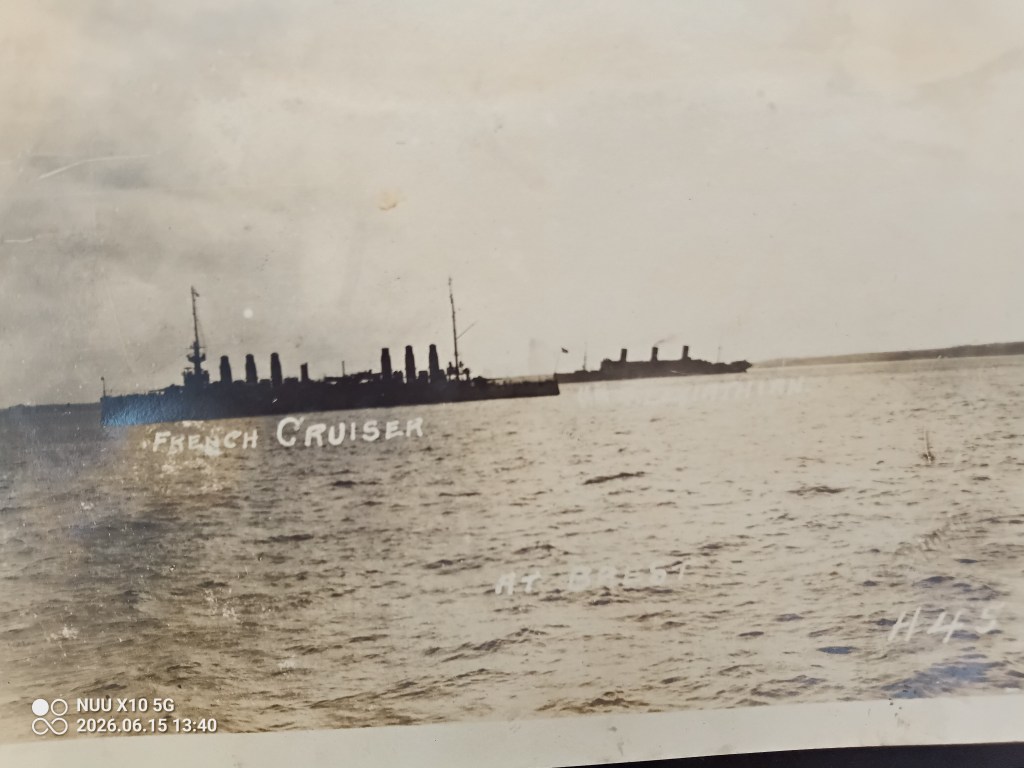
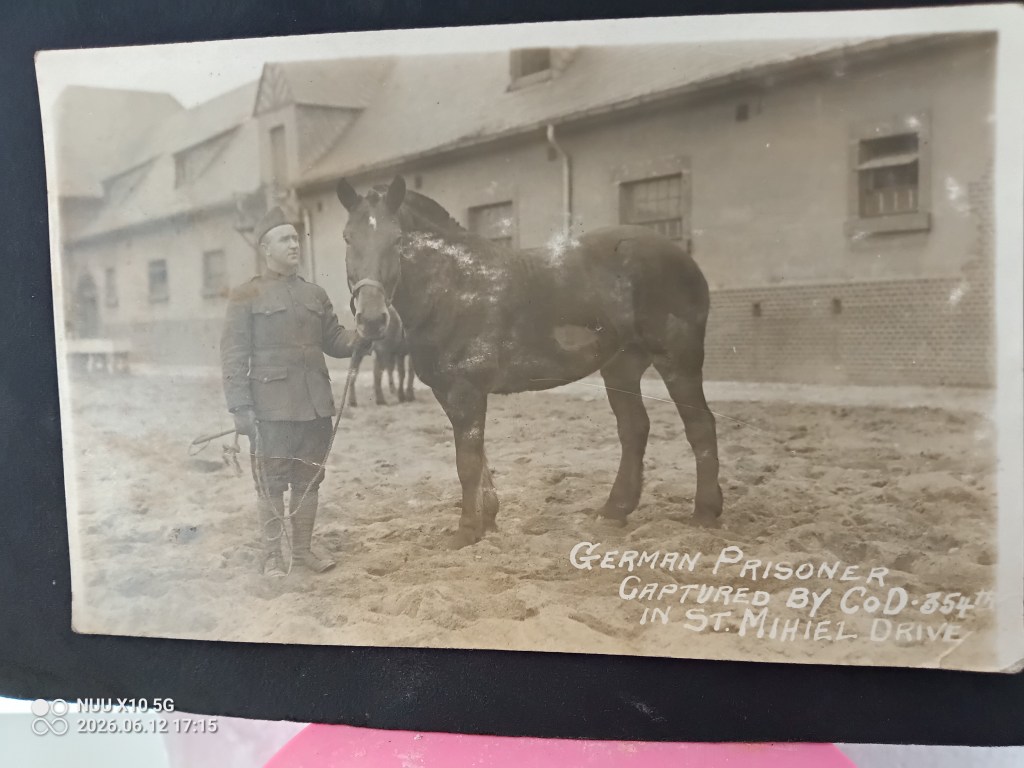
During the St. Mihiel Offensive (September 1918) the U.S. captured roughly 15,000 German prisoners along with thousands of horses, wagons, and artillery pieces. German prisoners were often assigned immediately to labor details, including handling captured horses and wagons.
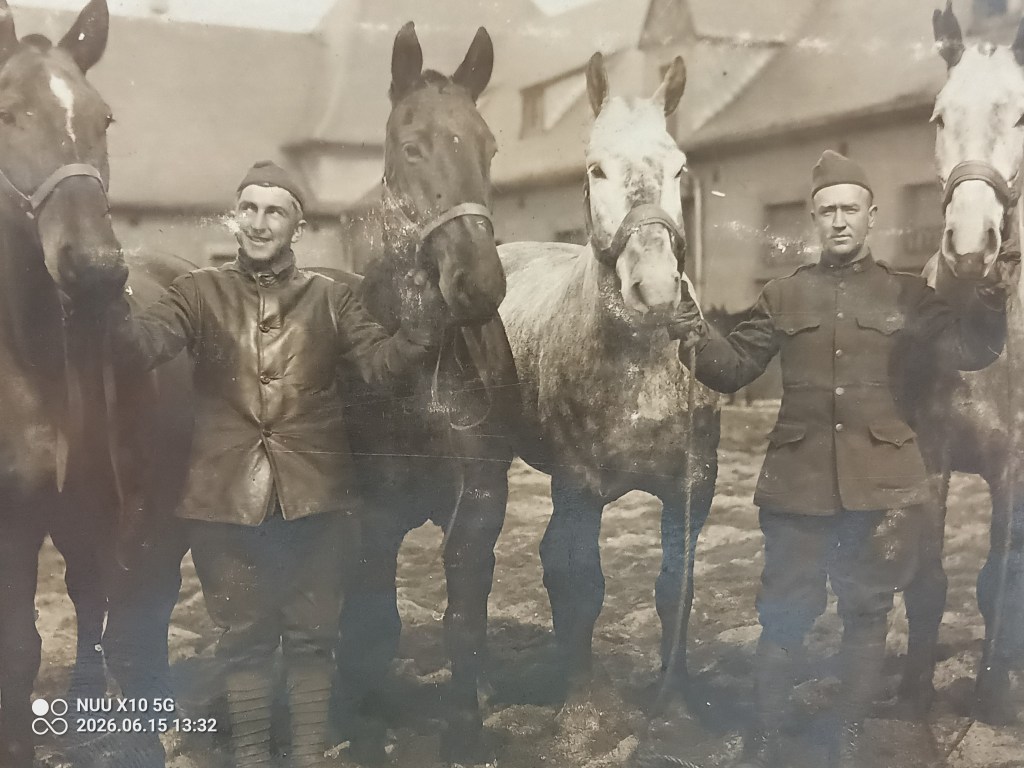
The 89th Division, and the 342nd Machine Gun Battalion, were selected for the Army of Occupation because it had performed well in combat. After the Armistice, it marched through Luxembourg and crossed into Germany as part of the Allied occupation force. After the Armistice on Nov. 8, 1918, the 89th Division spent the winter of 1918–1919 in the Rhineland, performing occupation duties. They lived in German towns and villages supervising disarmament and maintaining order.
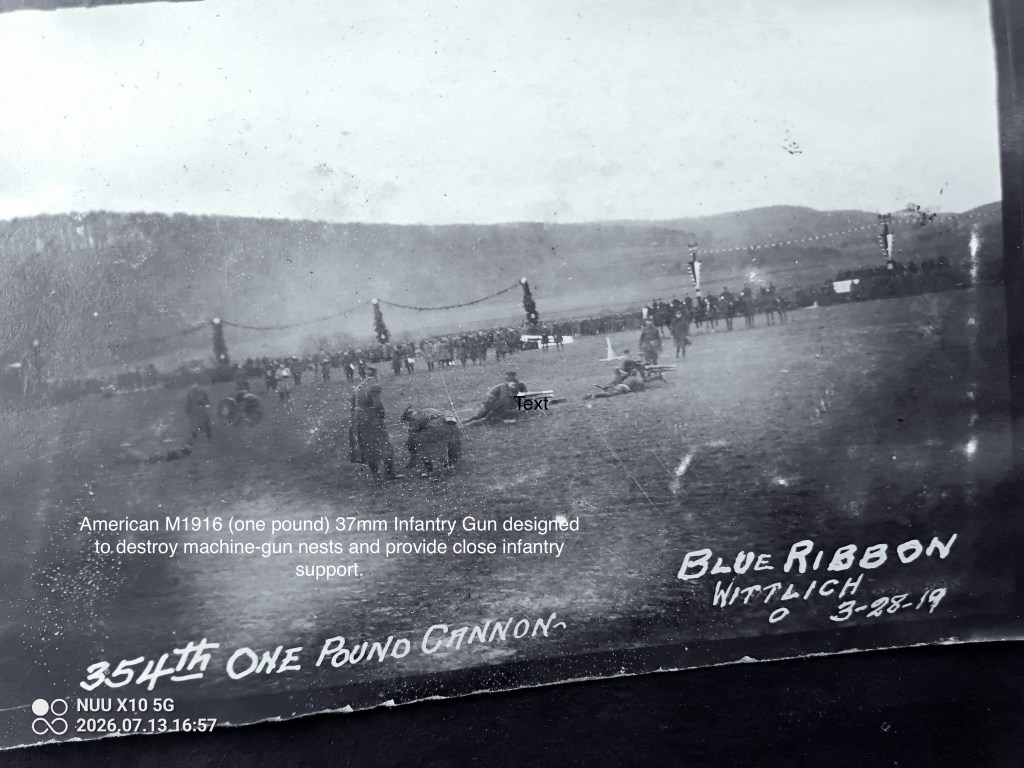
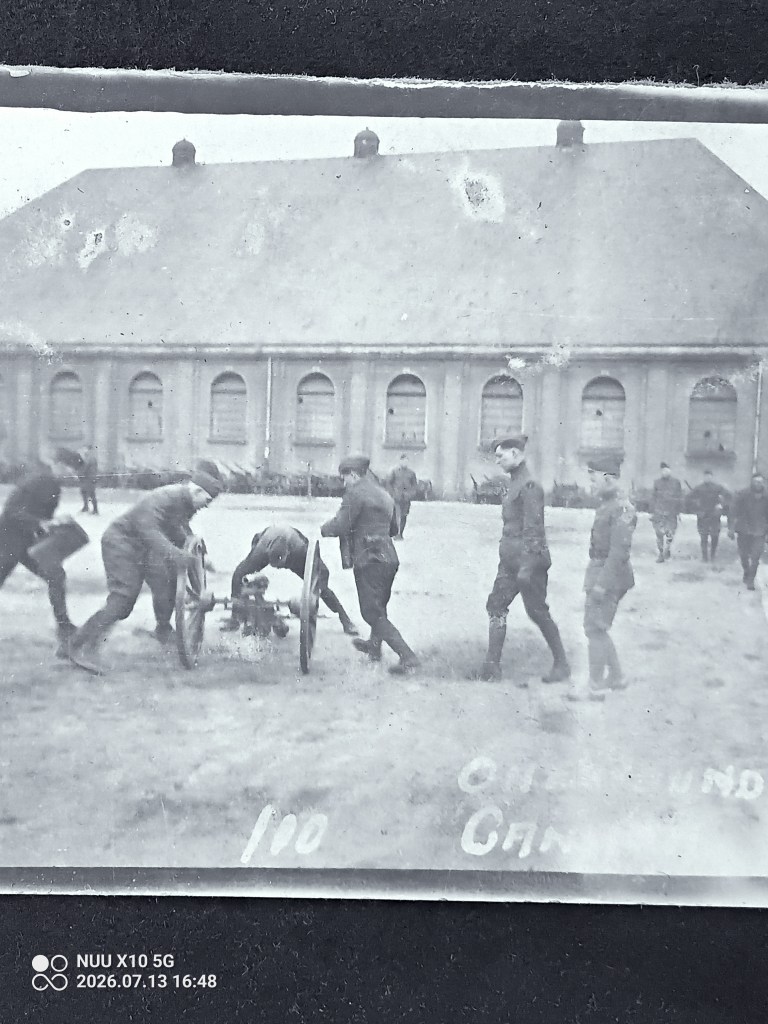
Click to enlarge. The M1916 37mm guns, widely known as “one-pounder” cannons, were used with machine guns to clear the way for infantry.
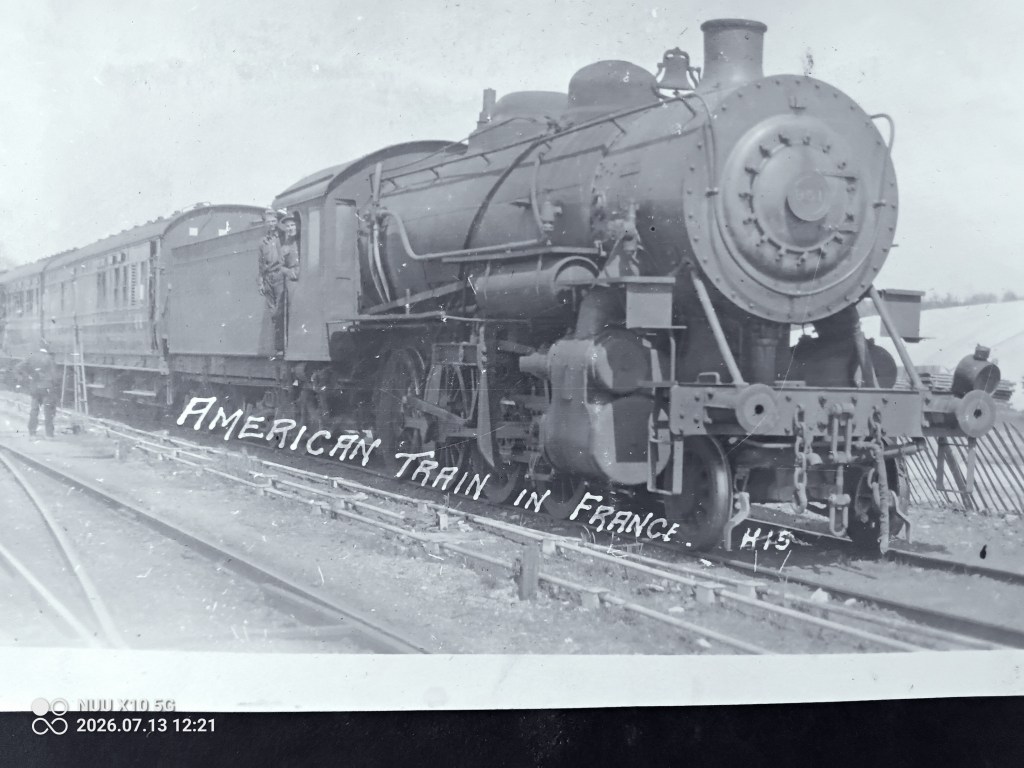
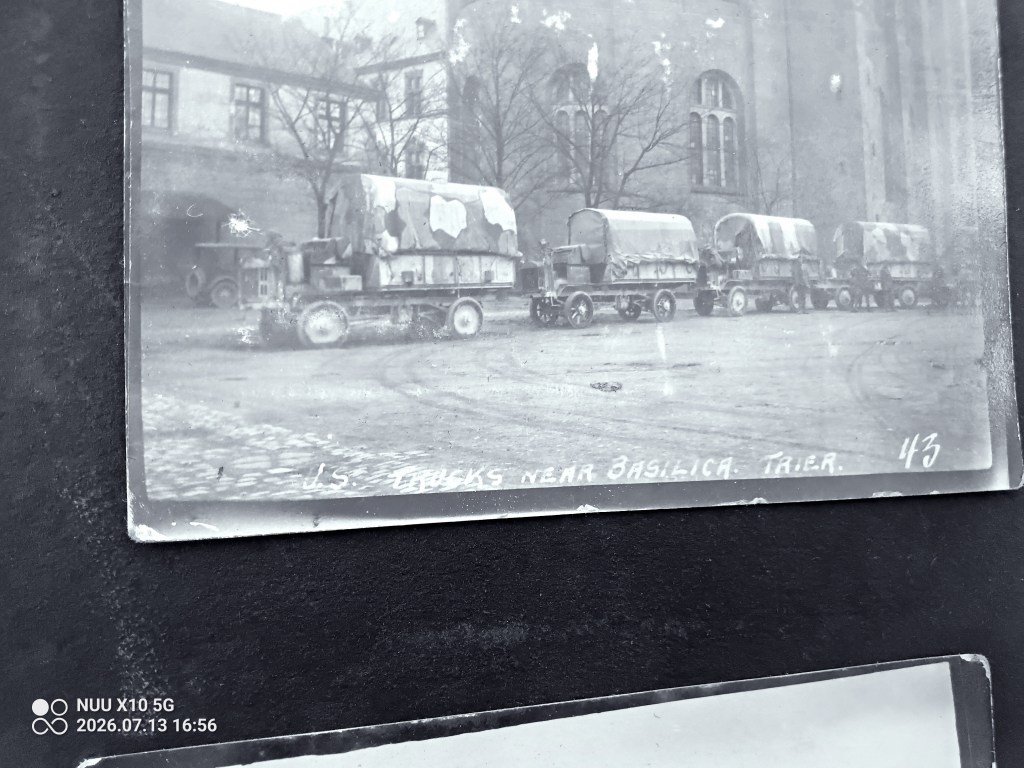
Click to enlarge. The 342nd Machine Gun Battalion traveled by train and truck across France. During World War I, the U.S. shipped hundreds of locomotives and thousands of railcars across the Atlantic because the existing French railway system was overwhelmed. Trucks. My grandfather took a picture of these odd looking trucks. This was a transitional design. Horse-pulled wagons converted with a seat above the engine.
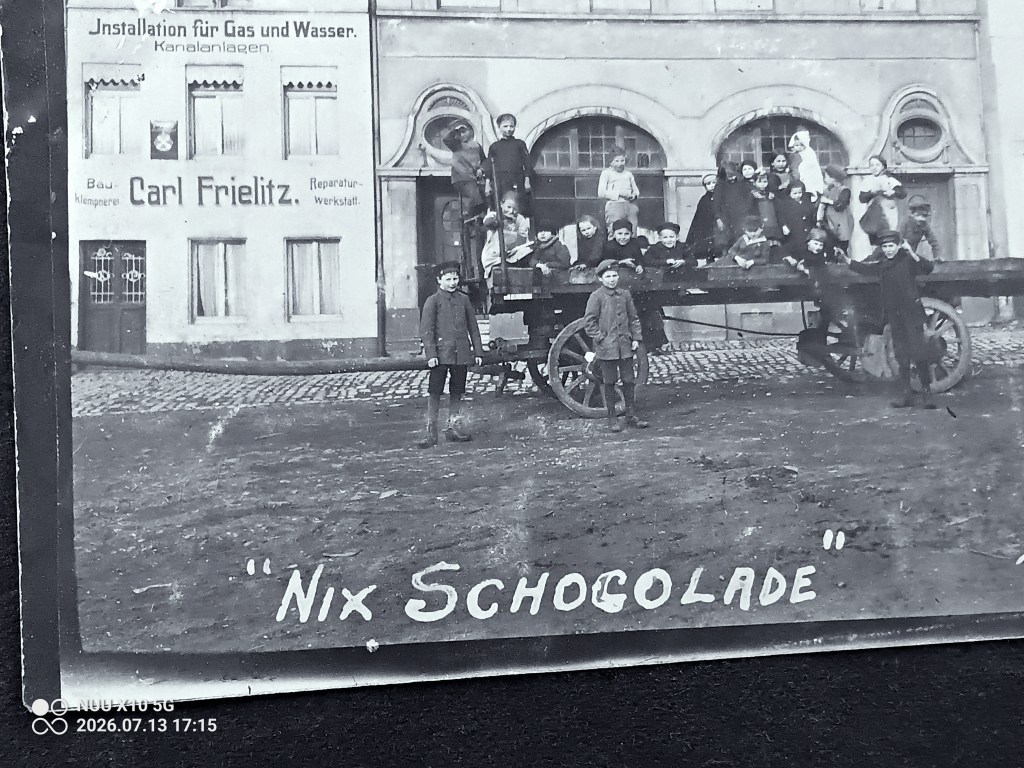
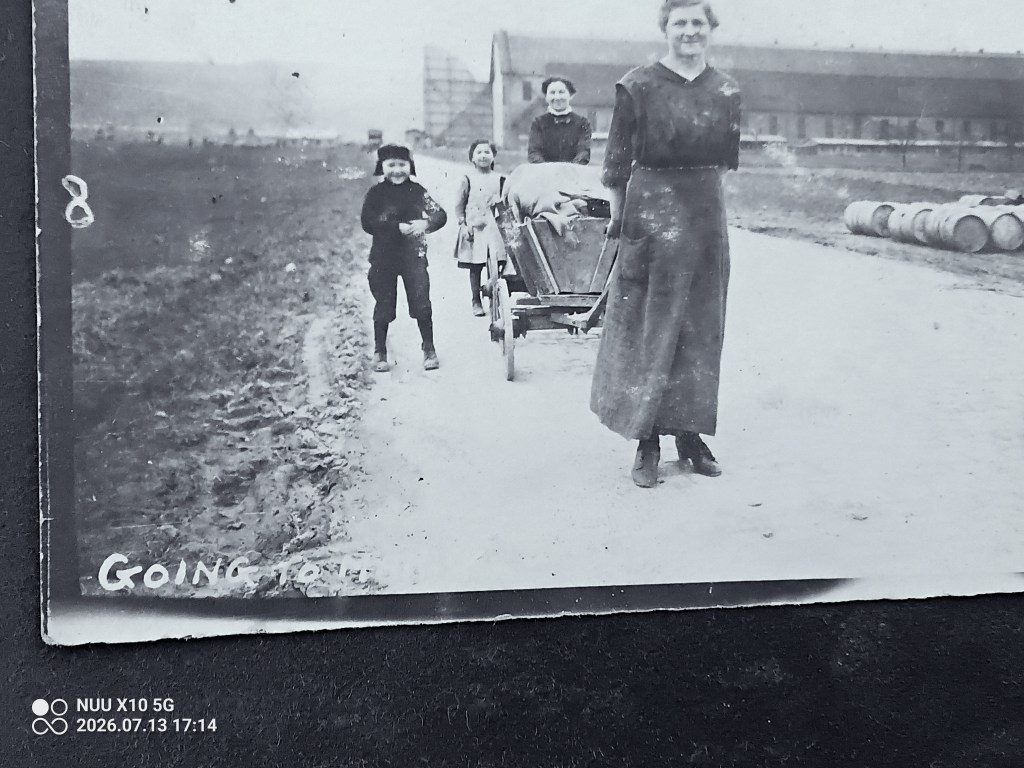
Click to enlarge. The first photograph is certainly within Germany (German signs). Nix Scholodae (German -Schokolade) meant “No Chocolate”. He probably ran out of chocolate to give the kids. He took some good photographs of regular people in the occupied region.
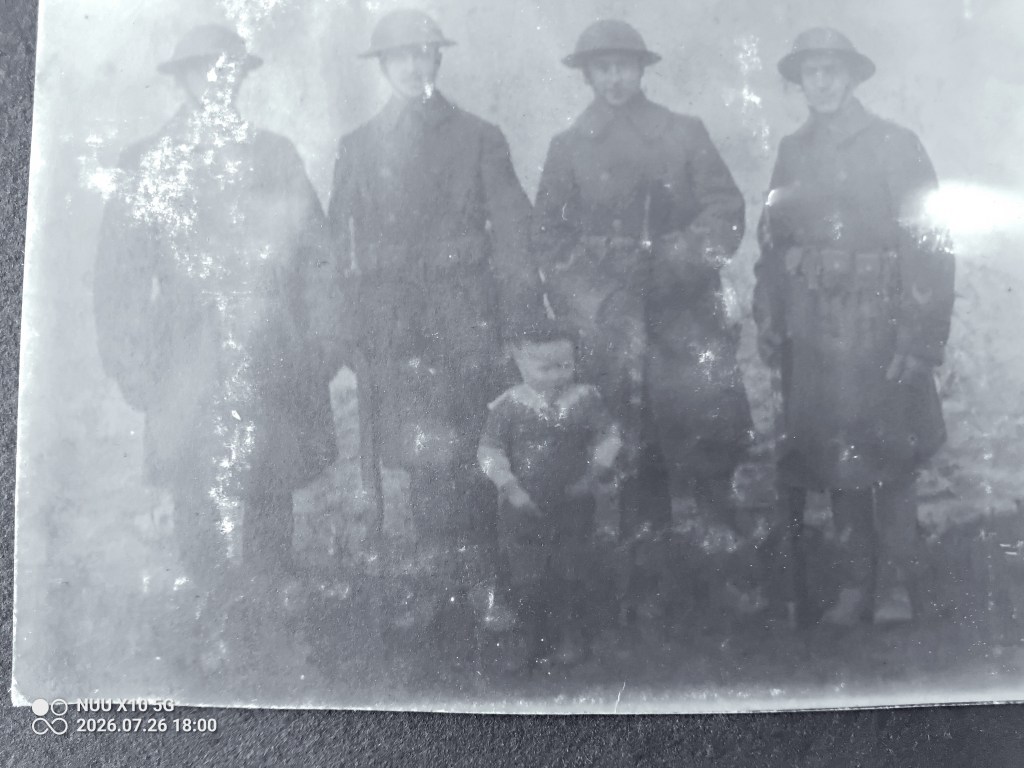
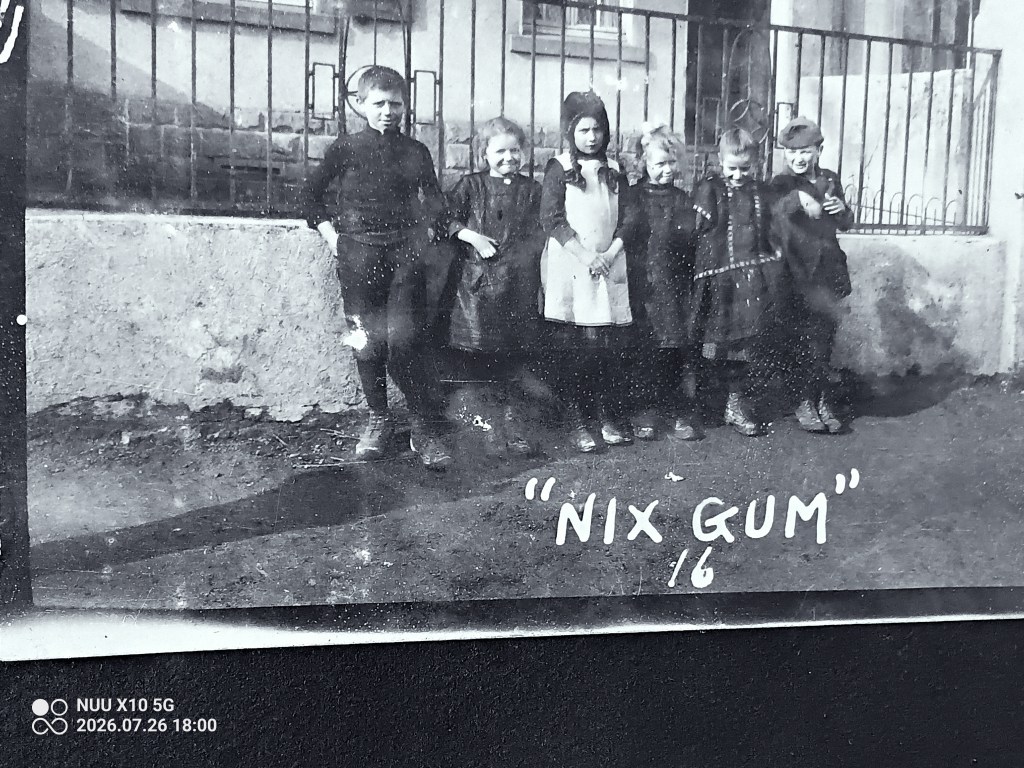
More of the occupation. “Nix gum” means no gum. Grandfather Joaquin had a social skill at requesting photos. Maybe he gave them gum and now he has none.
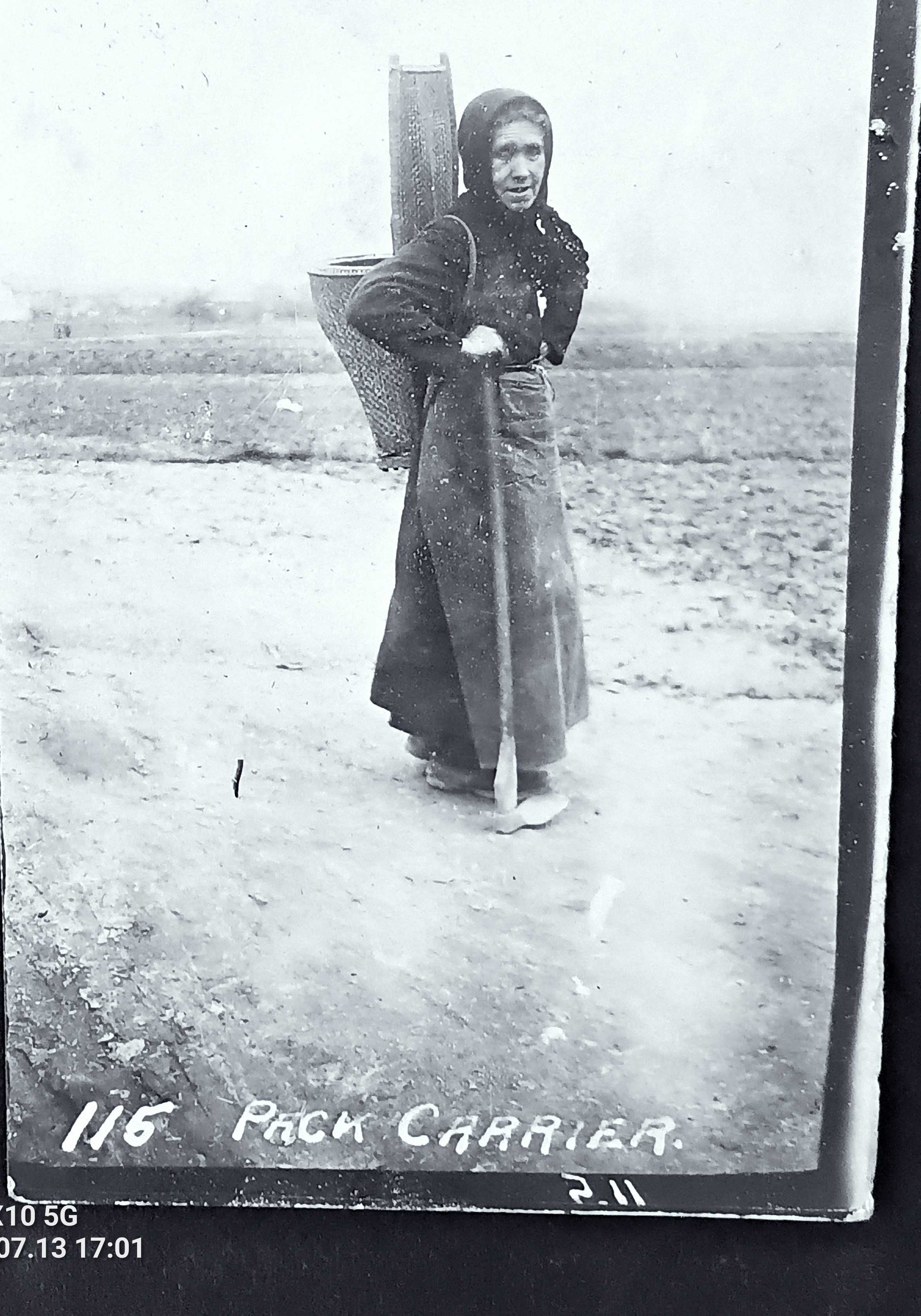
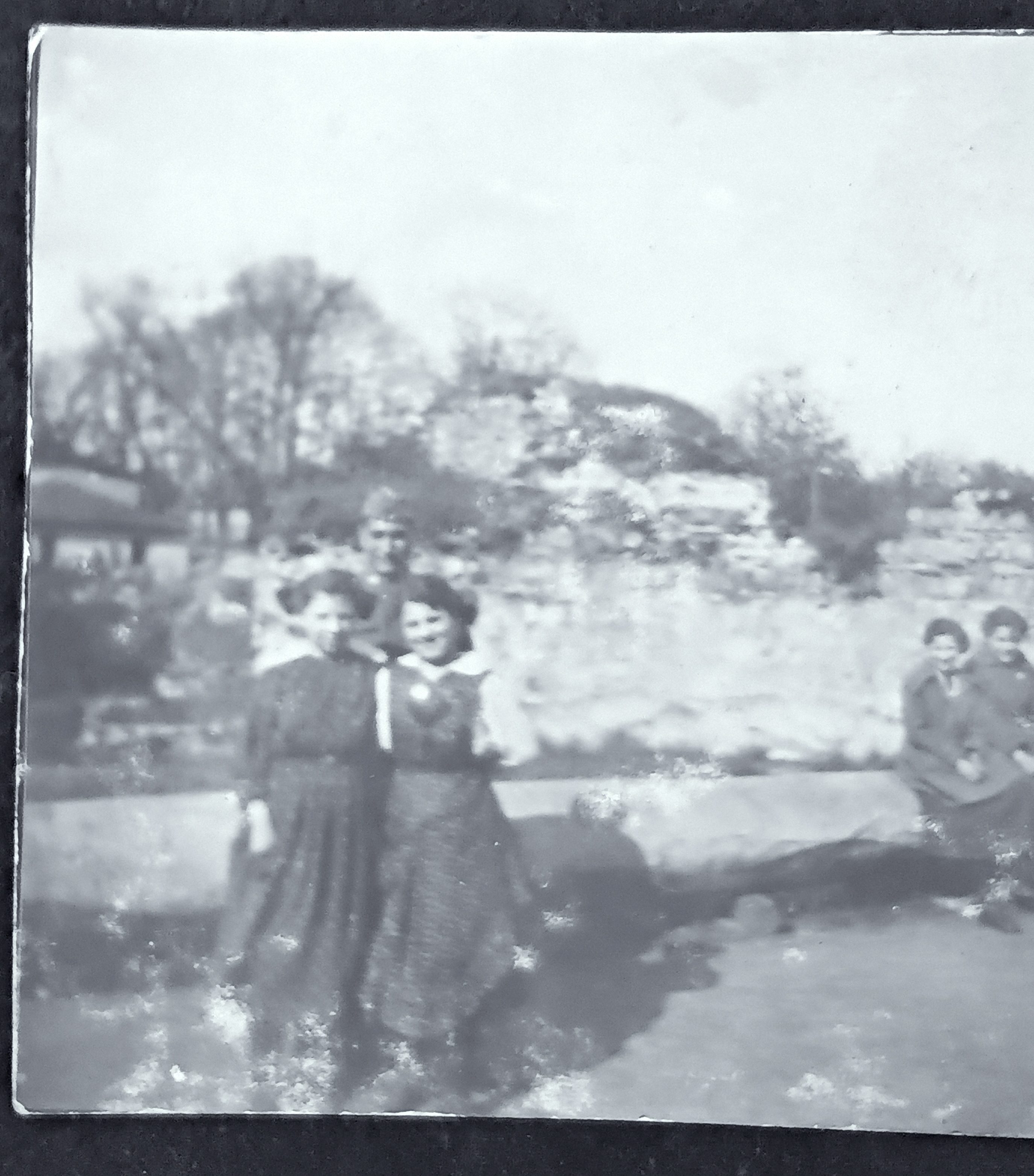
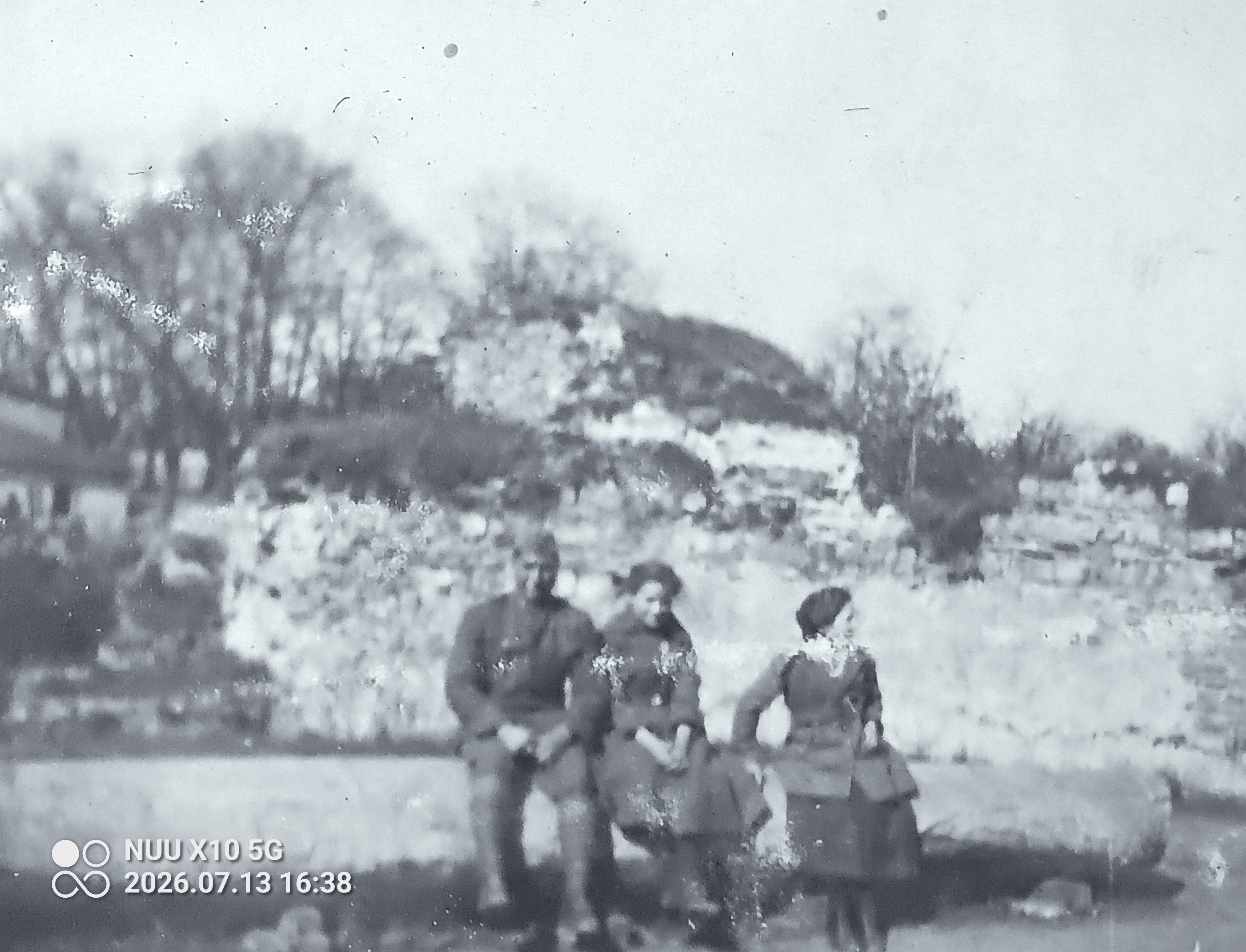
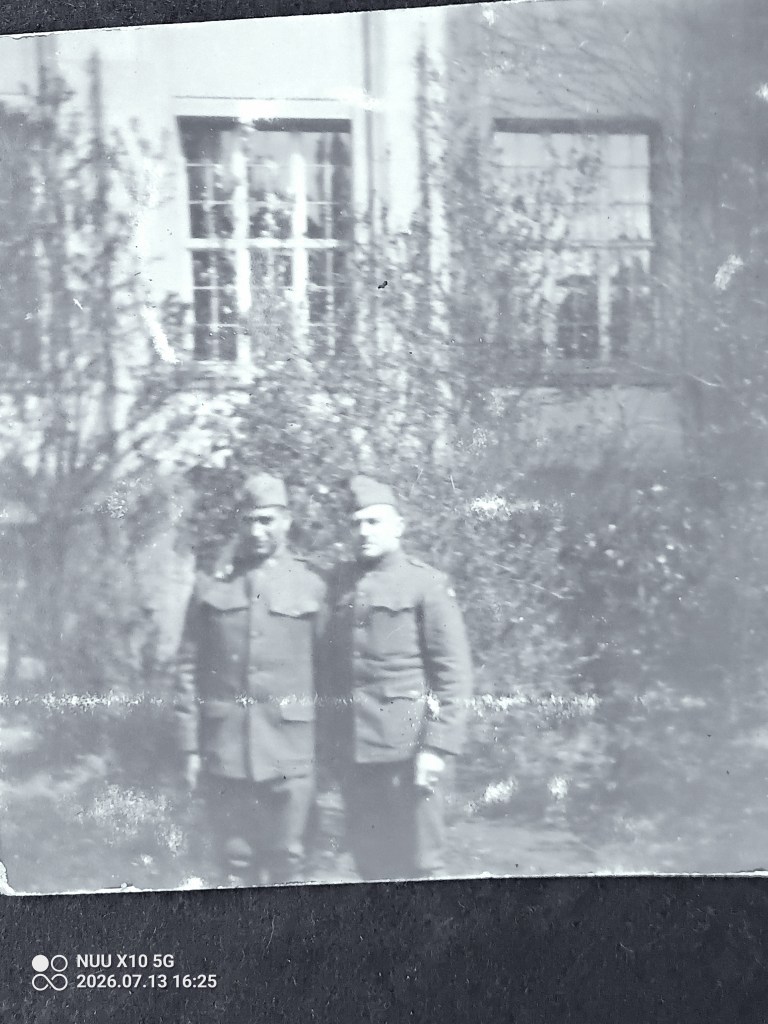
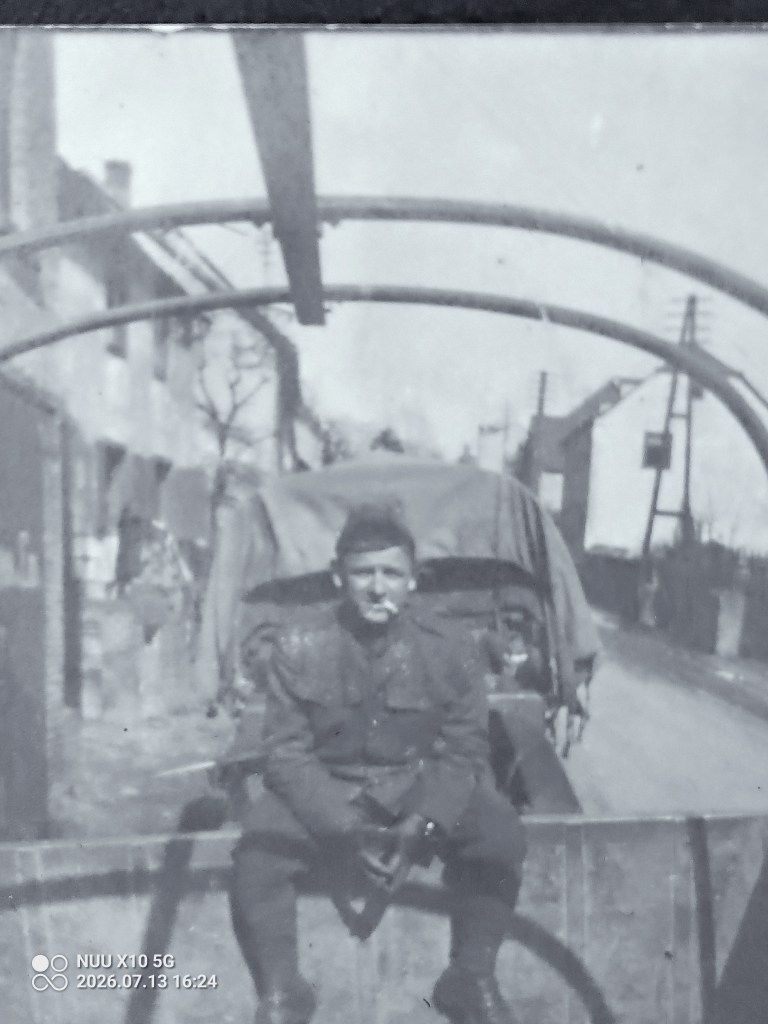
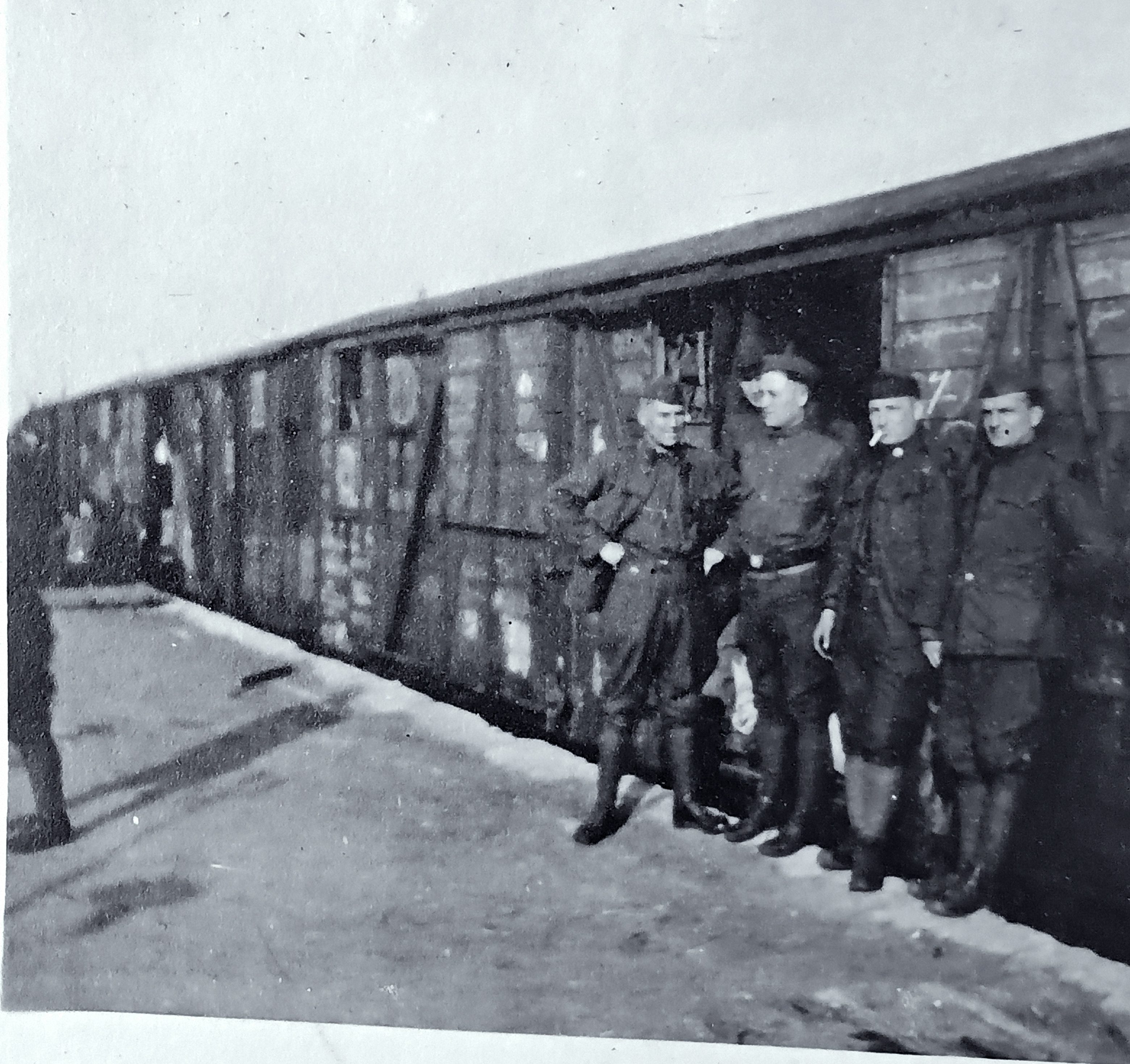
Click to enlarge. Grandfather Sanchez poses with a comrade, probably the 342nd Battalion. He took a picture of a comrade smoking a cigarette.
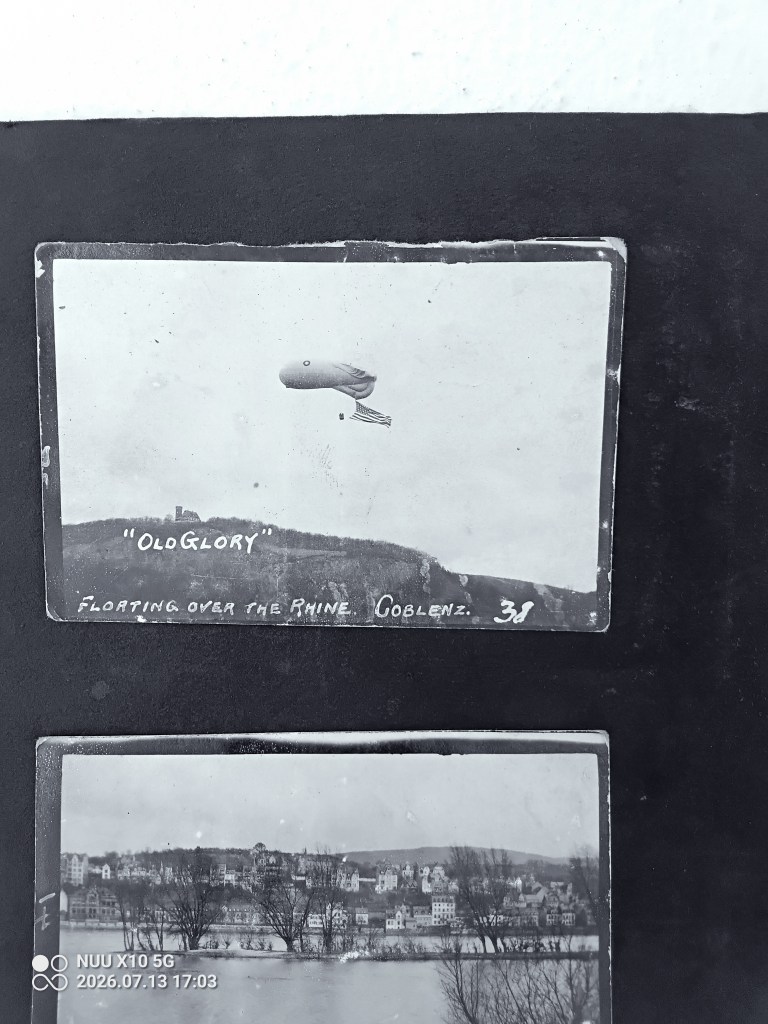
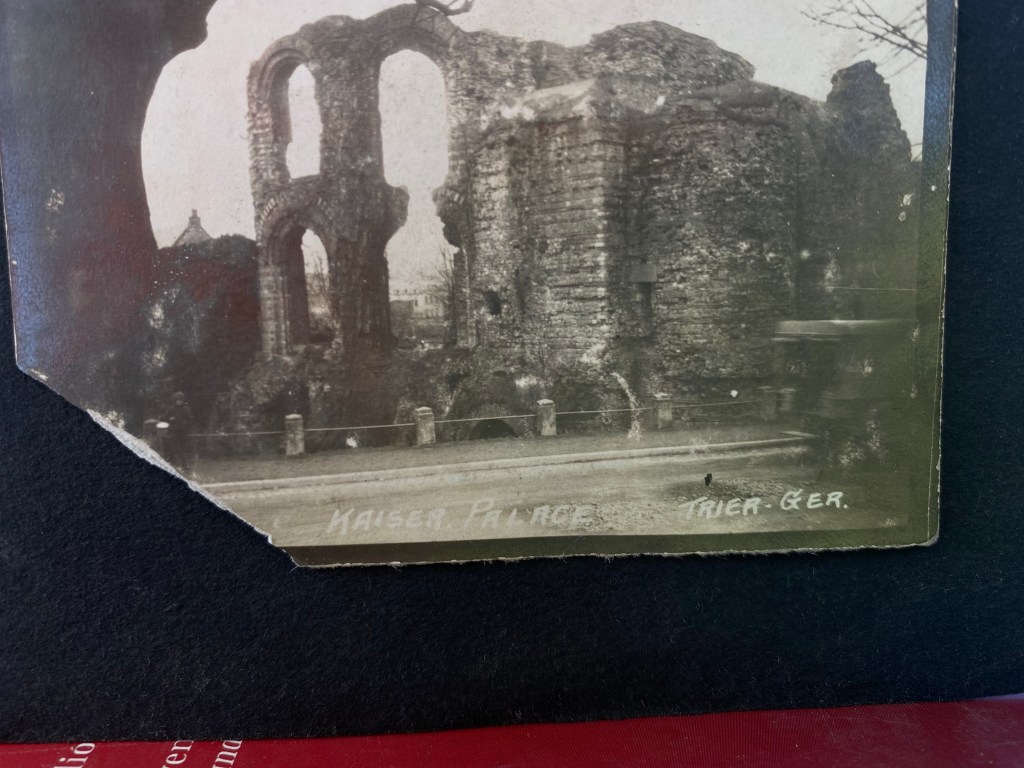
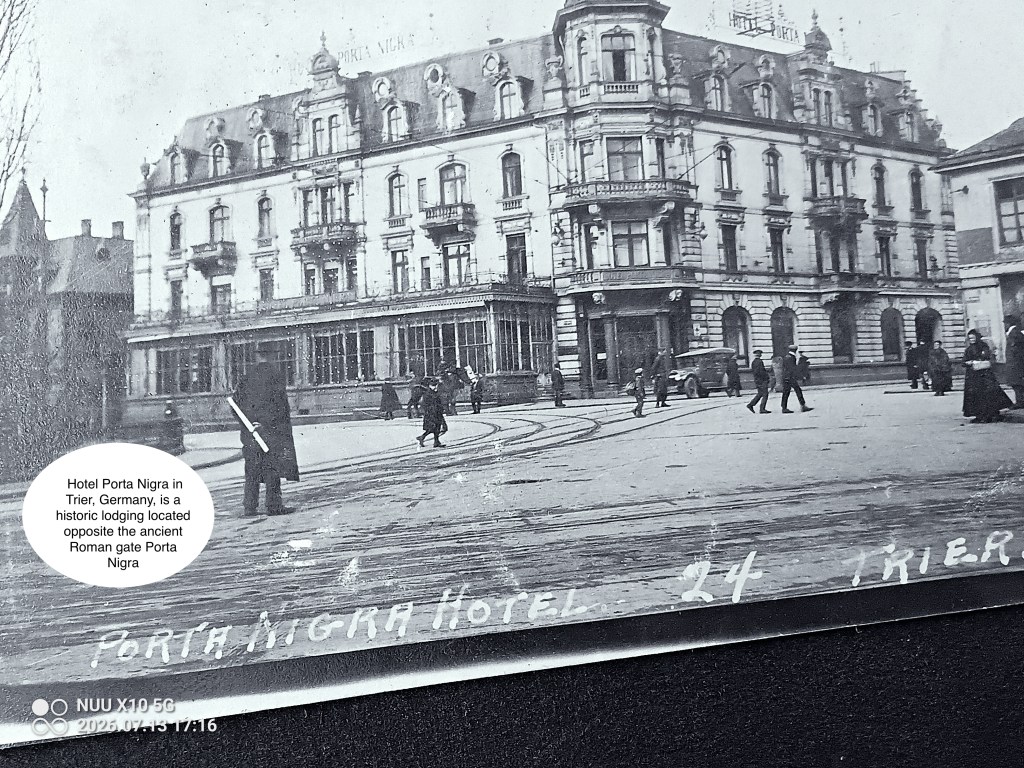
Click to enlarge. Grandfather took a photo of a Roman ruin (photo 1) and street life in Trier, Germany. The Porta Nigra Hotel is shown. The Porta Nigra in Trier, Germany, is the largest Roman city gate north of the Alps, built around 170 AD.
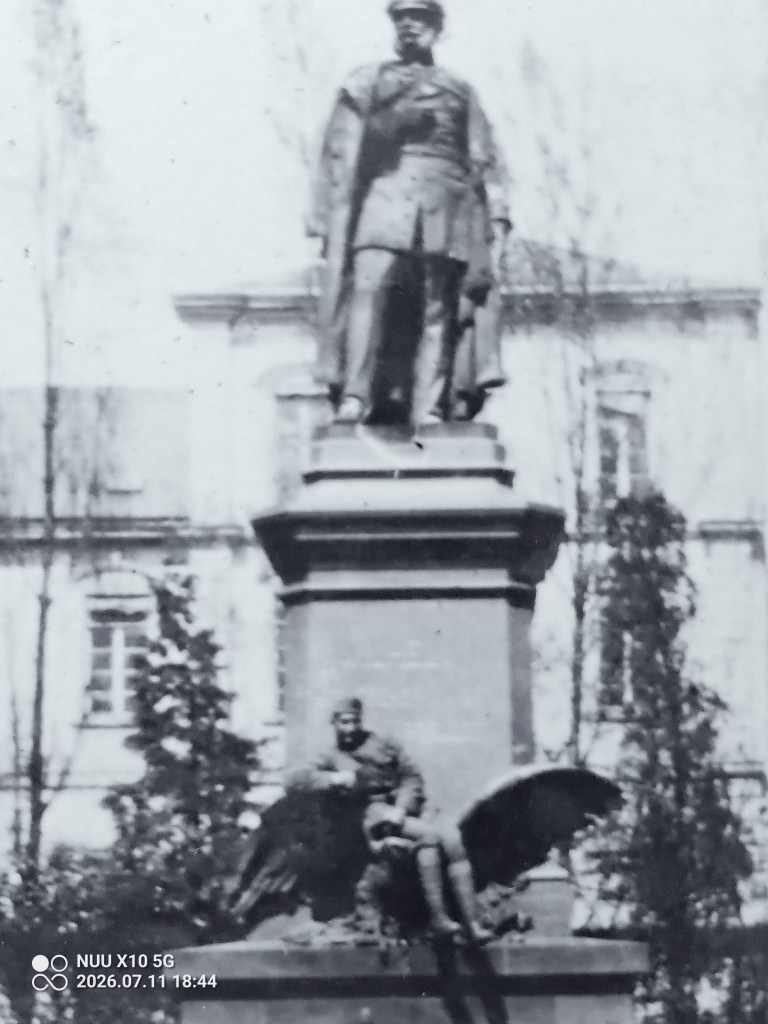
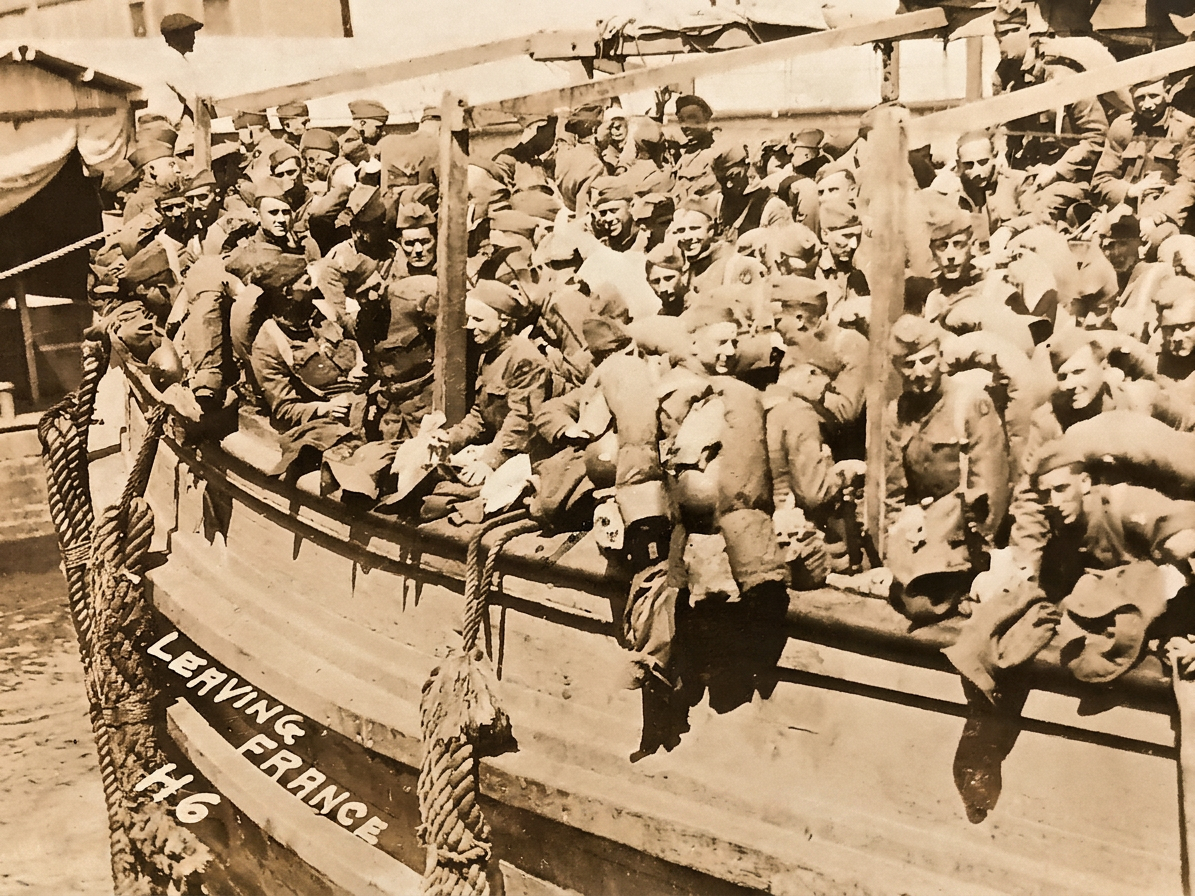
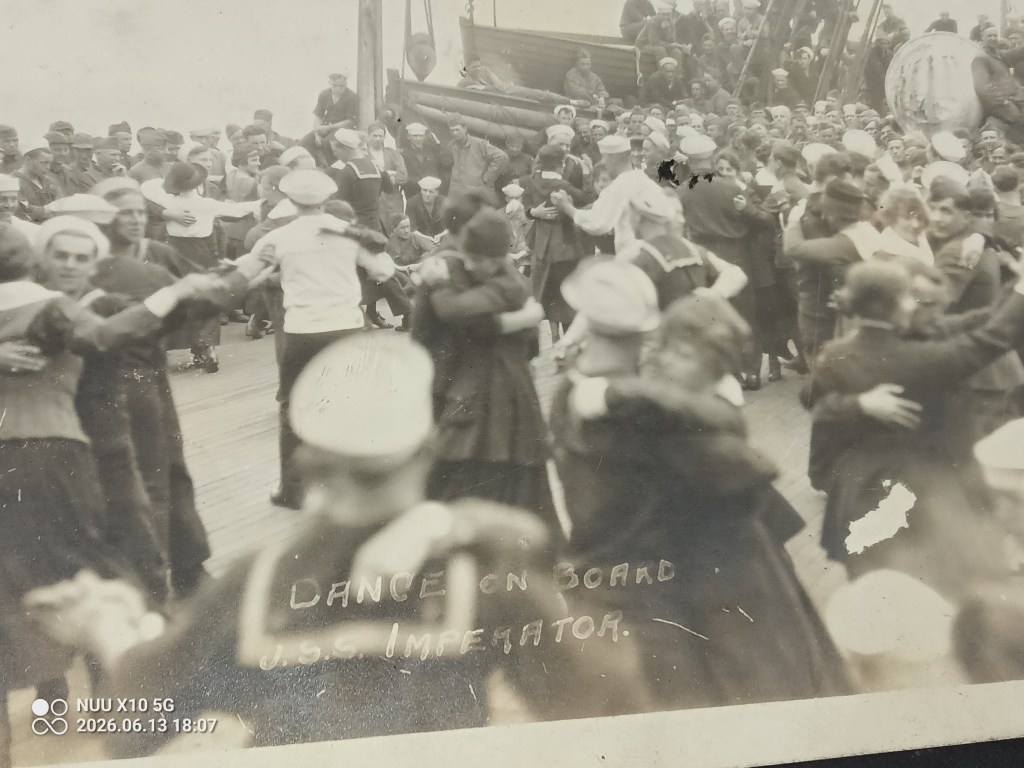
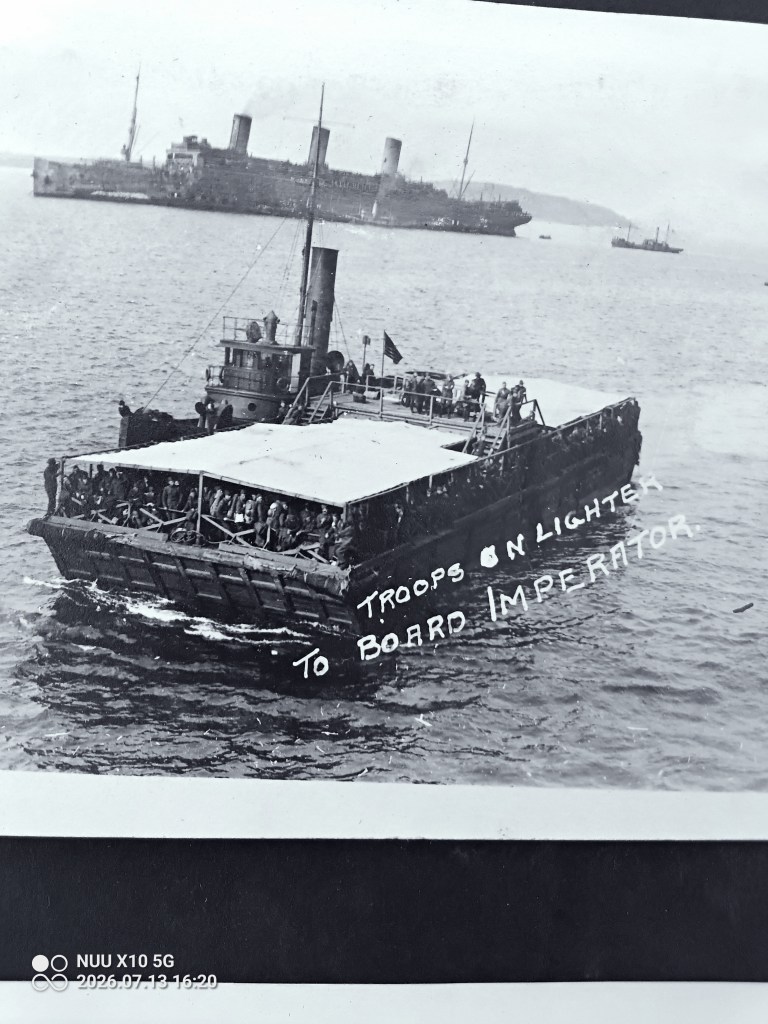
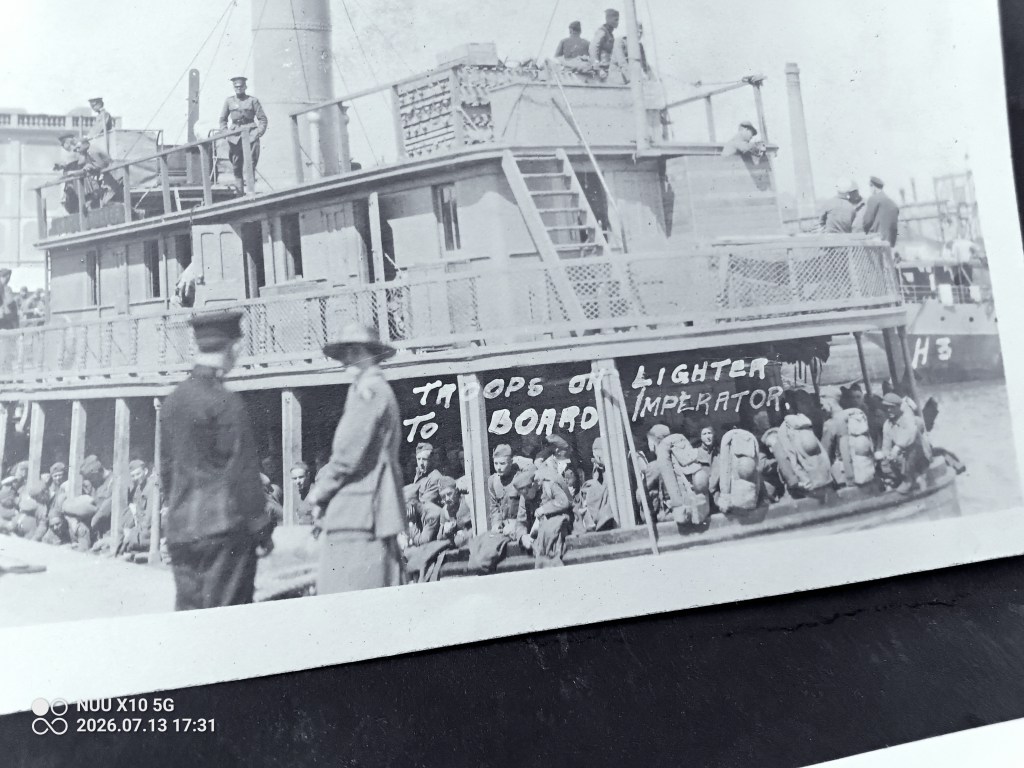
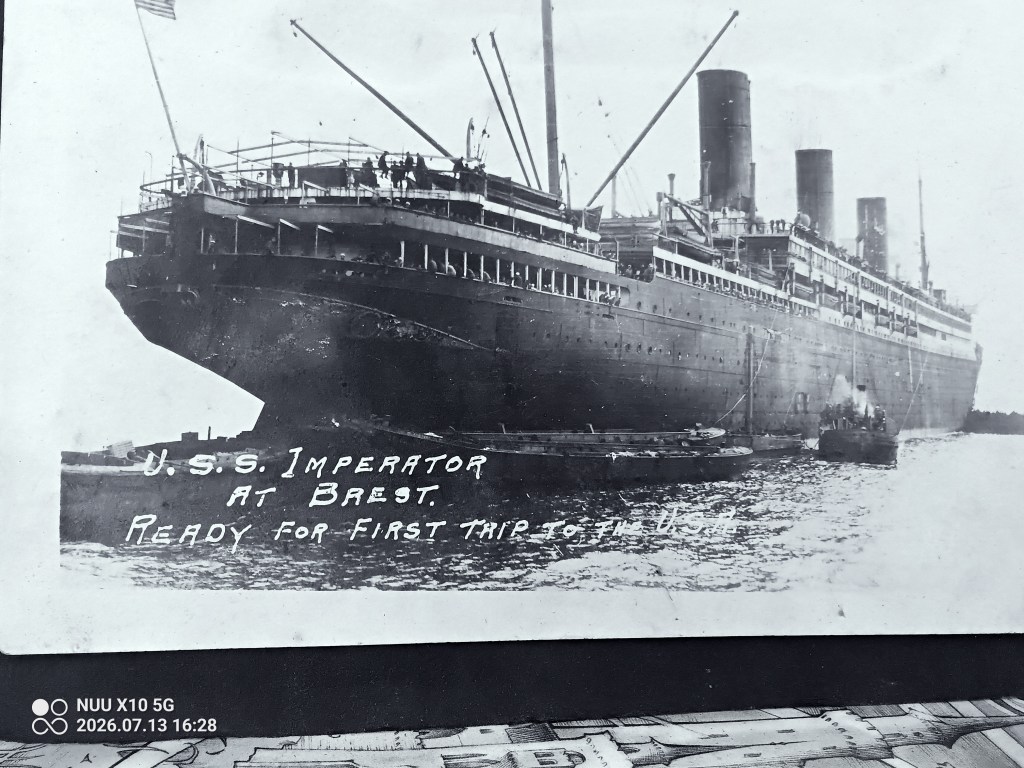
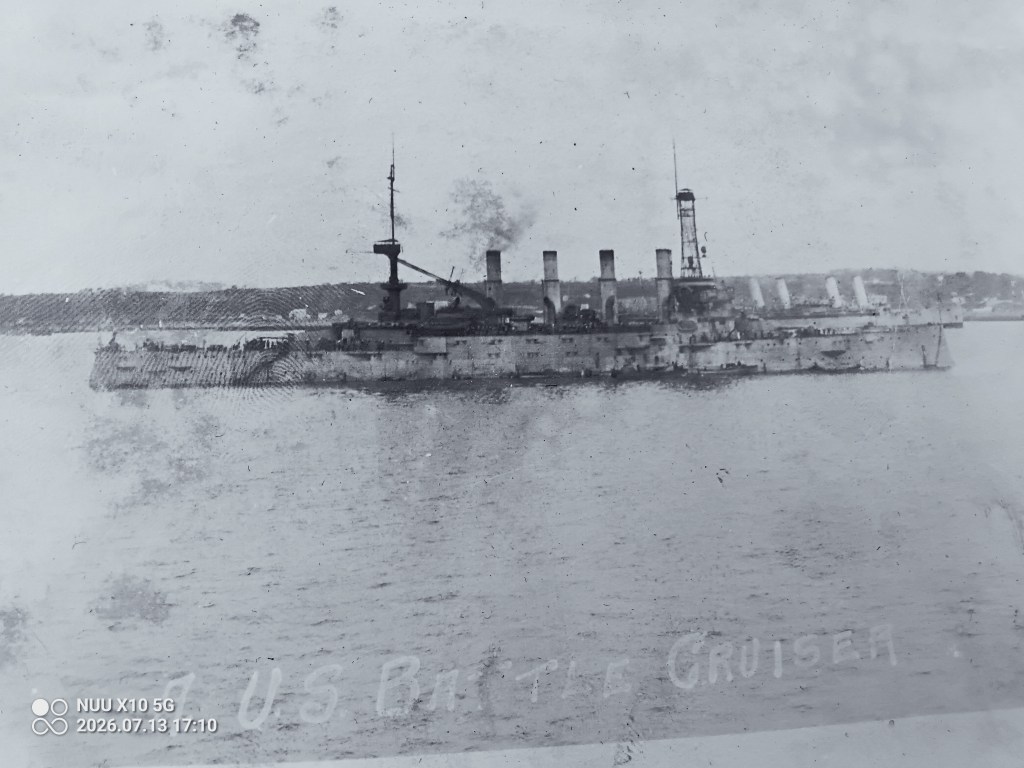
Grandfather Joaquin photographed numerous vessels small and large. His message on the photograph of the Imperator is priceless.
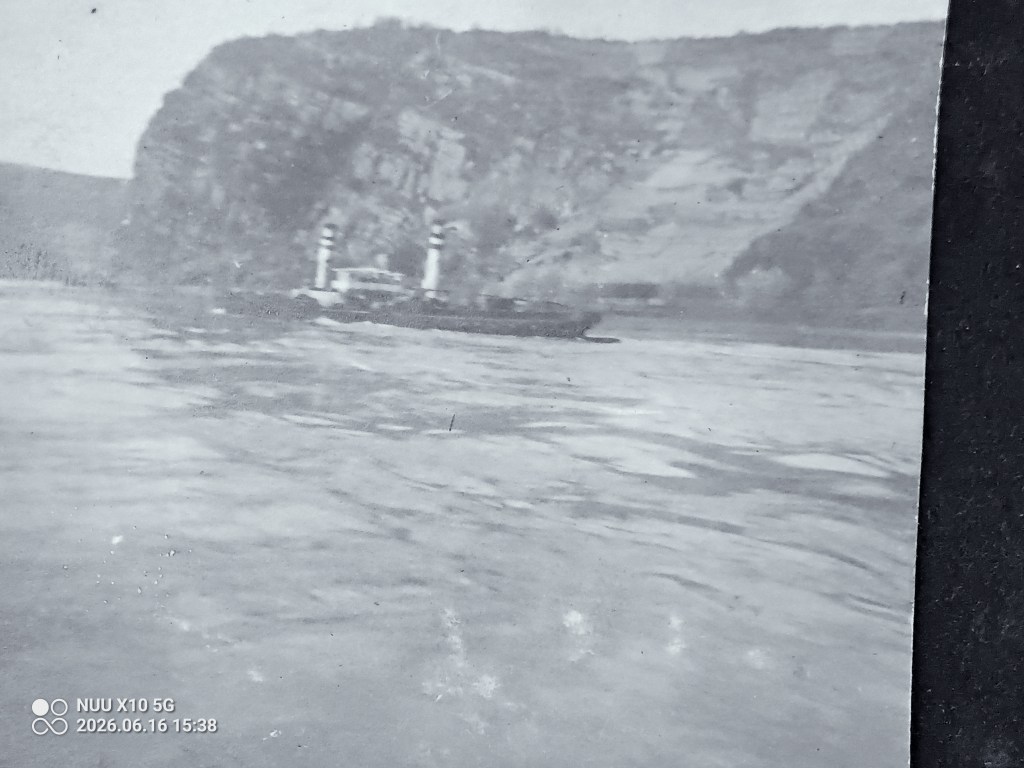
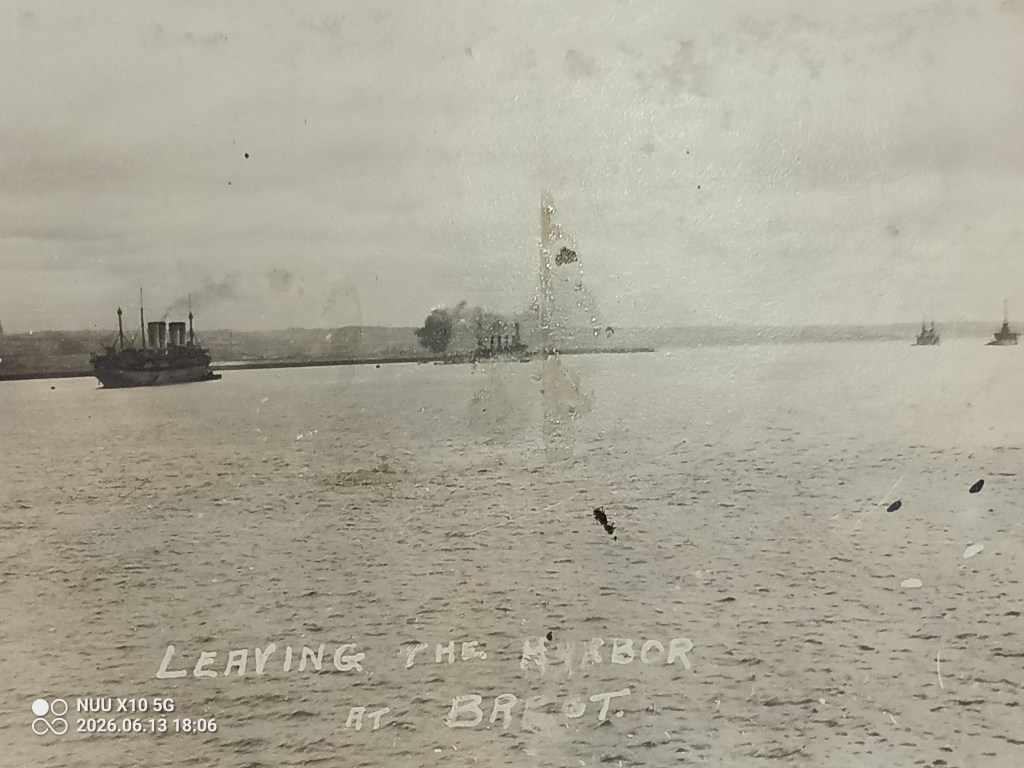
Leaving for the open sea back to the United States and Tucson Arizona. There are other photos of the troops heading out. Some good scenary I’m sure. It’s easy to imagine that Grandfather Joaquin wanted to remember the detail. But the picture quality had limits.
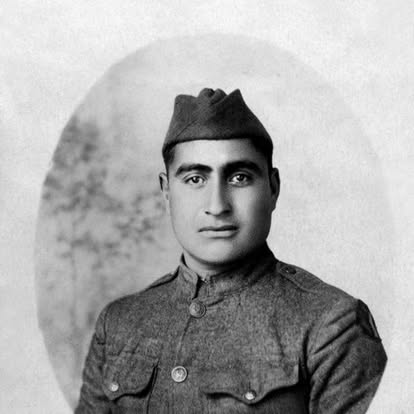
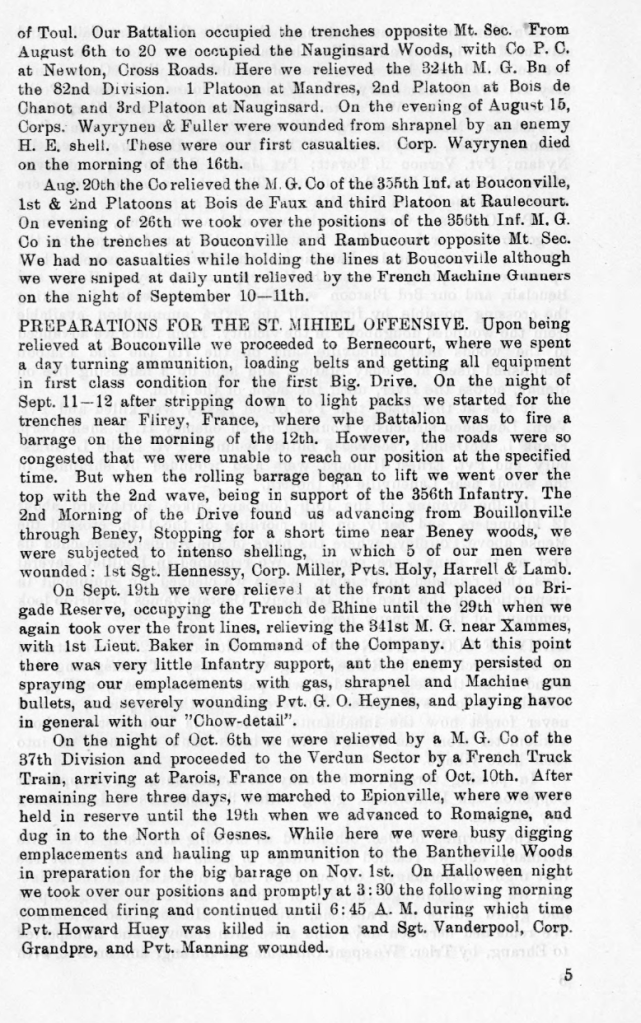
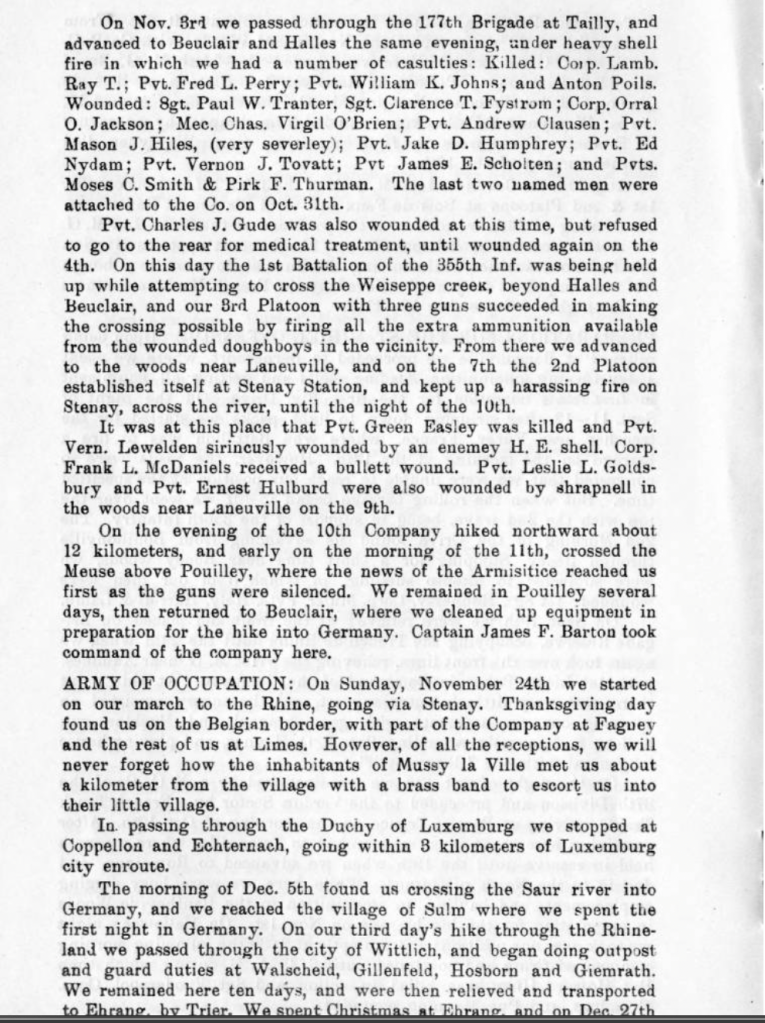
Wikipedia had a link to a written account of the 342nd Machine Gun Battalion. Below are two pages.